ESP32 Node MCU Development Board with Wifi and Bluetooth (CP2102 Driver, 30 PIN) (Pack of 25)
Expected restock within 5-7 business days. We'll ship immediately once available.
For urgent inquiries, please contact us .
Delivery & Pickup Options
Expected to be in stock within 5-7 business days. We'll ship immediately once available.
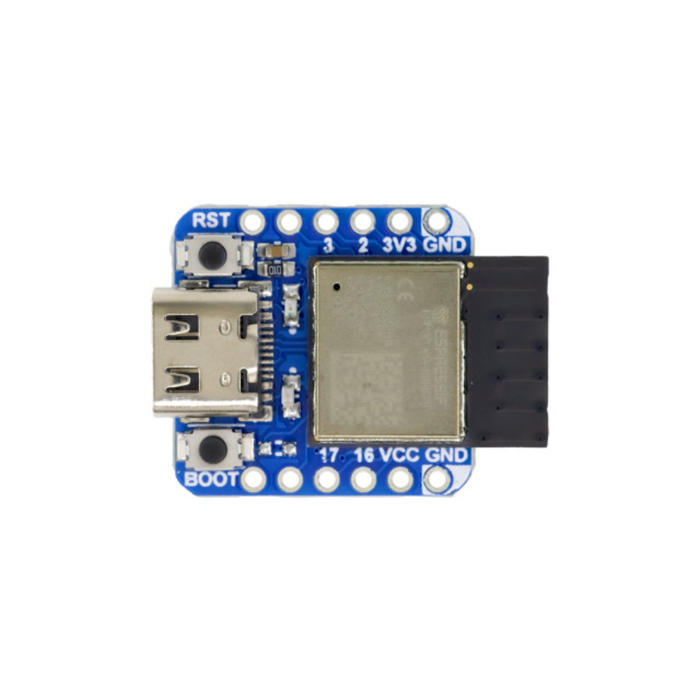
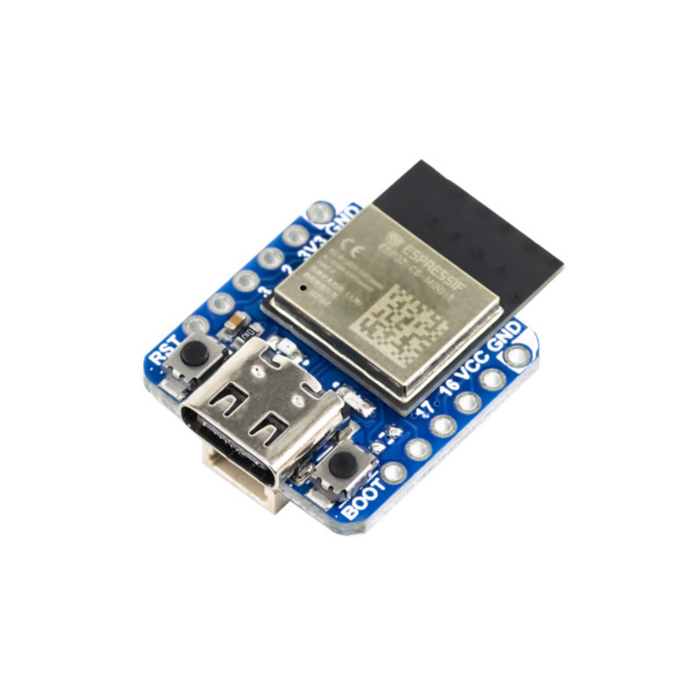
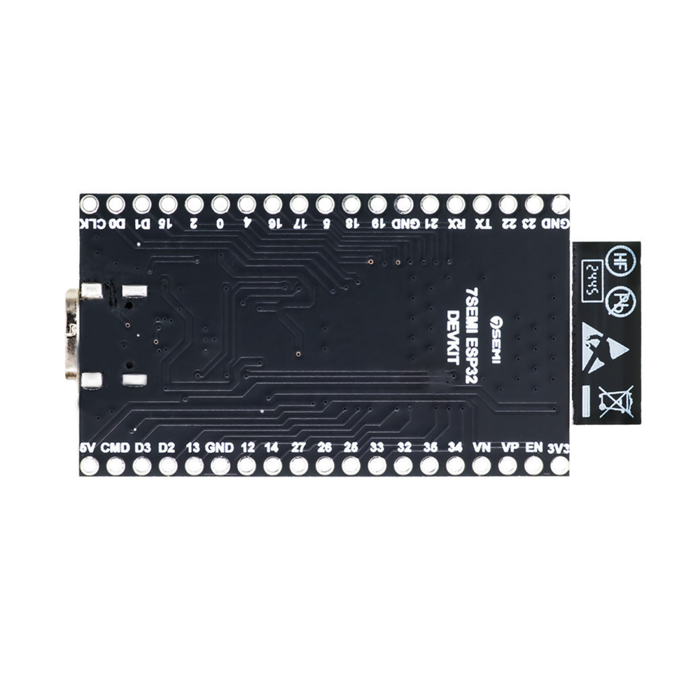
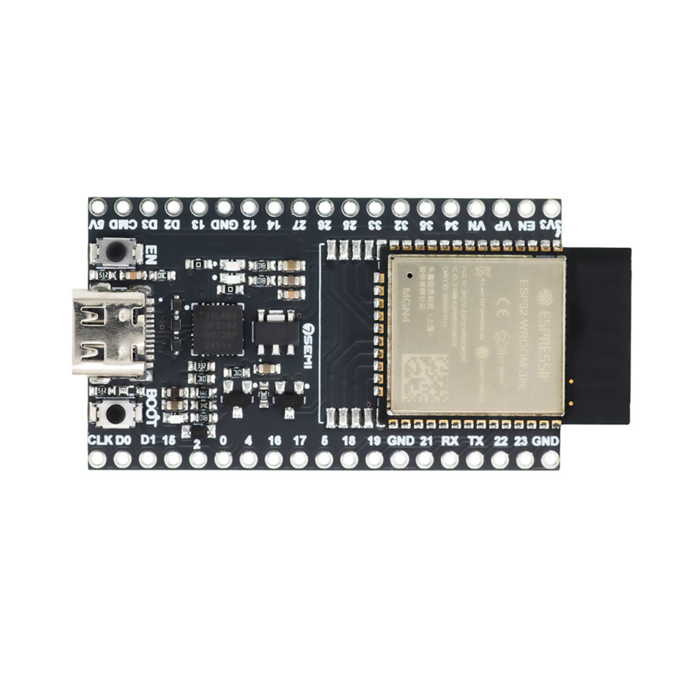
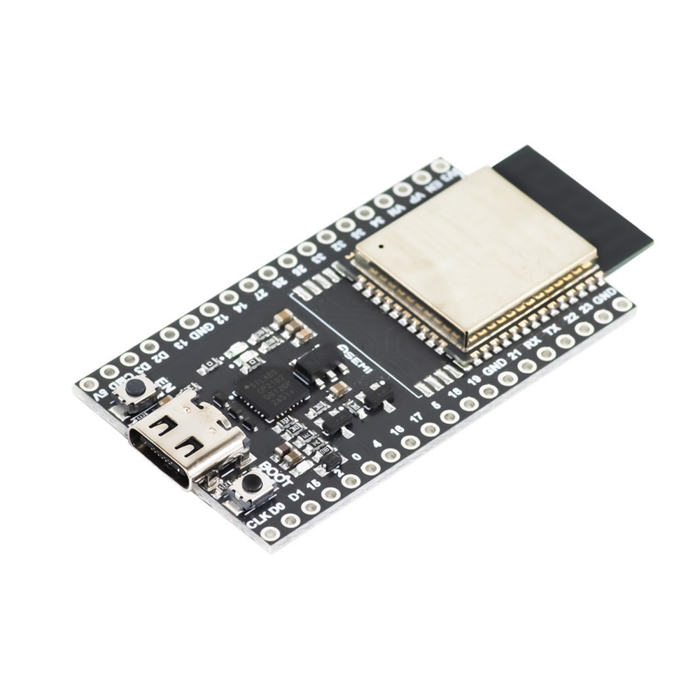
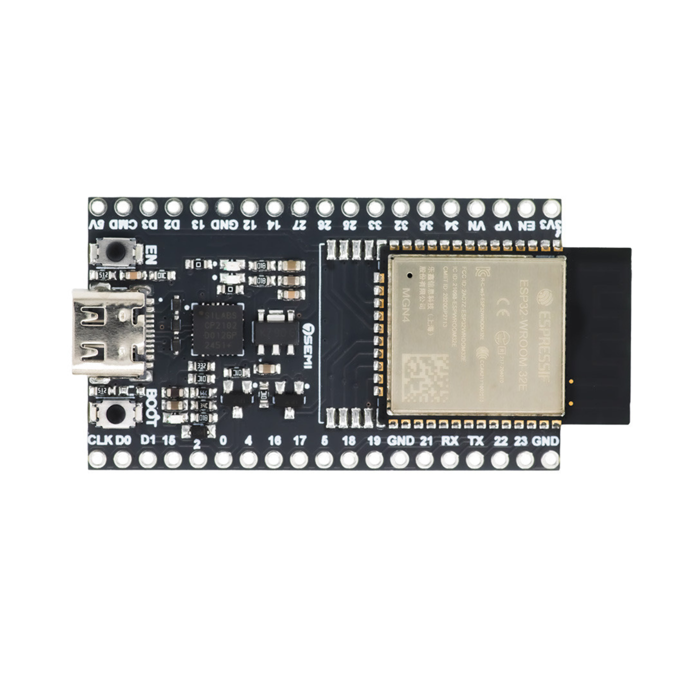
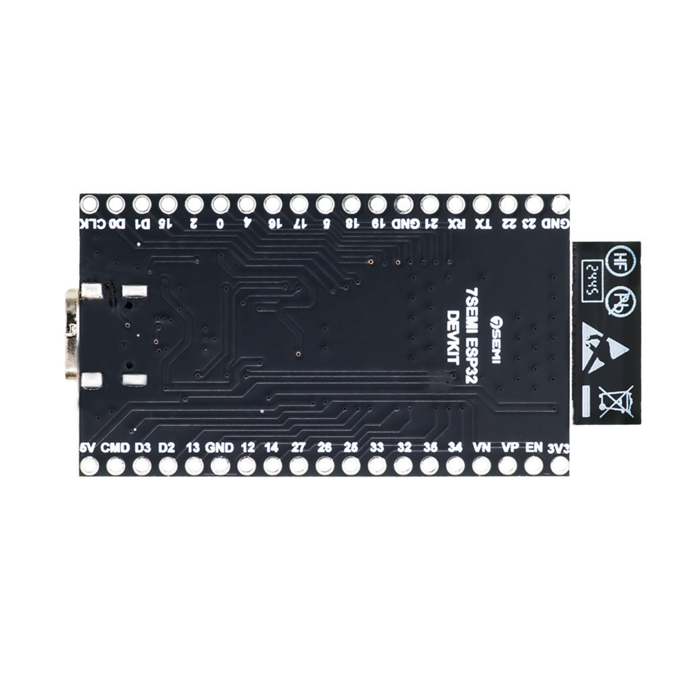
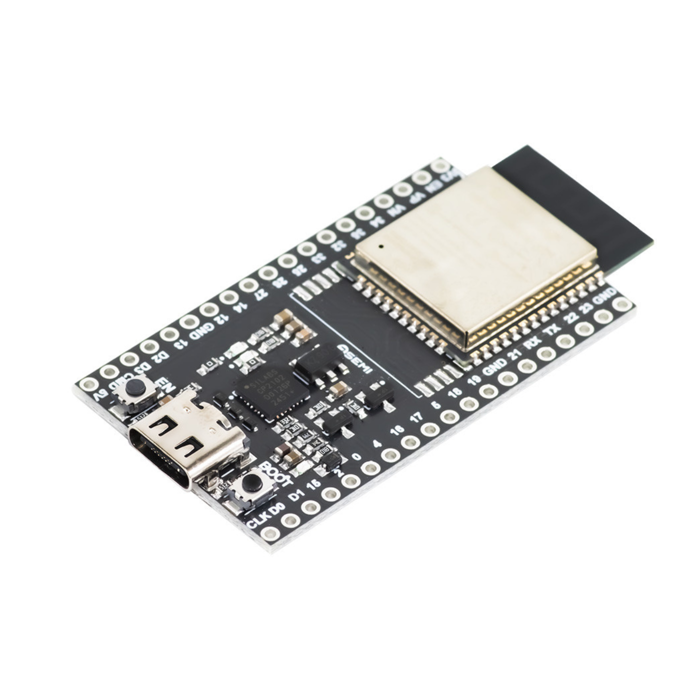
ESP32 (CP2102 Driver, 30 Pin) WiFi + Bluetooth NodeMCU-32 Development Board ) The is NodeMCU ESP 32 Development board. This ESP WROOM 32 is a powerful, generic WiFi and Bluetooth module that targets a wide variety of applications, ranging from low-power sensor networks to the most demanding tasks, such as voice encoding, music streaming, and MP3 decoding. At the core of the N ode MCU module is the ESP32S chip, which is designed to be scalable and adaptive. There are 2 CPU cores that can be individually controlled or powered, and the clock frequency is adjustable from 80 MHz to 240 MHz. The user may also power off the CPU and make use of the low-power coprocessor to constantly monitor the peripherals for changes or crossing of thresholds. ESP32S integrates a rich set of peripherals, ranging from capacitive touch sensors, Hall sensors, low-noise sense amplifiers, SD card interface, Ethernet, high-speed SDIO/SPI, UART, and I²C. Using Bluetooth, users can connect to their phones or broadcast low-energy beacons for its detection. The use of Wi-Fi enables a large physical range, as well as a direct connection to the internet via a Wi-Fi router. Perfect for wearable electronic or battery-powered applications, the ESP32 chip uses less than 5µA. In addition, this Node MCU 32 module can support data rates of up to 150 Mbps and 22 dBm output power at the PA in order to allow for the widest physical range. Comparison Amica Node MCU Vs. Lolin Node MCU Vs. Node MCU Wroom32 Specification Amica NodeMCU Lolin NodeMCU NodeMCU Wroom32 Microcontroller ESP-8266 32-bit ESP-8266 32-bit ESP-WROOM-32 processor Xtensa single core 32 bit L106 Xtensa single core 32 bit L106 Tensillica Xtensa LX6 microprocessor with 2 core s NodeMCU Size 49mm x 26mm 58mm x 32mm 49mm x 25 mm Pin Spacing 0.9" (22.86mm) 1.1" (27.94mm) 0.9" (22.86mm) Clock Speed 80 MHz 80 MHz 160 MHz USB to Serial CP2102 CH340G CP2102 USB Connector Micro USB Micro USB Micro USB Operating Voltage 2.5 V to 3.6 V 2.5 V to 3.6 V 2.5 V to 3.6 V Input Voltage 4.5V-10V 4.5V-10V 4.5V-15V Flash Memory 4 MB 4 MB 4MB SRAM 64KB 64KB 520KB ROM - - 448KB Digital I/O Pins 11 11 16 Analog In Pins 1 1 16 ADC Range 0-3.3V 0-3.3V 0-3.3V UART 1 1 2 SPI 1 1 1 I2C 1 1 1 CAN - - 2 WiFi Built-In 802.11 b/g/n 802.11 b/g/n 802.11 b/g/n Bluetooth Built-in - - Bluetooth 4.2 Inbuilt sensor No inbuilt sensor No inbuilt sensor Inbuilt hall sensor, temperature sensor Application: IoT applications Home automation Mesh network Video streaming of the camera Industrial wireless control
- Dual-core Xtensa LX6 32-bit processor up to 240 MHz
- Integrated Wi-Fi 802.11 b/g/n and Bluetooth 4.2 (BLE + Classic)
- CP2102 USB-to-serial converter with auto-reset support
- 520KB SRAM, 4MB Flash, 448KB ROM
- 16 digital I/O, 16 analog inputs, 2 UARTs, SPI, I²C, CAN
- Built-in Hall sensor and temperature sensor
- Ultra-low power consumption: <5µA in deep sleep
- Compatible with Arduino IDE, ESP-IDF, and MicroPython
- Dual-core processing for multitasking
- Wi-Fi and Bluetooth dual-mode connectivity
- Low-power deep sleep for battery applications
- Rich peripheral set including CAN and touch sensors
- Onboard Hall and temperature sensors
- Easy programming via Arduino IDE
- Ideal for IoT, home automation, and industrial control
| Processor | Two Low-Power Xtensa 32-bit LX6 Microprocessors |
|---|---|
| Operating voltage (v) | 3.0V – 3.6V |
| Operating current (mA) | 80 |
| Clock Frequency (MHz) | 80 ~ 240 |
| Flash memory (MB) | 4 |
| Data Rate (Mbps) | 150 |
| SRAM Memory (KB) | 520 |
| Dimension(LxWxH) | 28 x 50 x 14 mm |
| Weight | 15gm |
Is the ESP32 NodeMCU-32 compatible with Arduino IDE?
Yes, the ESP32 NodeMCU-32 is fully compatible with Arduino IDE. Simply add the ESP32 board manager URL and select the appropriate board for programming.
What is the difference between ESP32 and ESP8266?
The ESP32 features a dual-core processor, Bluetooth 4.2, more GPIOs, analog inputs, and lower power consumption compared to the single-core ESP8266, which lacks Bluetooth and has fewer peripherals.
Can this board be used for battery-powered IoT projects?
Yes, the ESP32 supports ultra-low-power deep sleep modes (<5µA), making it ideal for battery-operated IoT sensors and wearable devices.
Does the CP2102 driver support auto-reset for flashing?
Yes, the CP2102 USB-to-serial chip supports DTR and RTS signals for auto-reset during firmware upload, enabling seamless programming without manual button presses.
To rate this product please login!
About ESP32 Node MCU Development Board with Wifi and Bluetooth (CP2102 Driver, 30 PIN) (Pack of 25) by Iotcart
Shop ESP32 NodeMCU-32 development board with WiFi & Bluetooth. Compatible with Arduino IDE. Ideal for IoT, home automation & prototyping. Buy in India.
Categorised under: Industrial› Bluetooth/BLE› Capacitive Touch› ESP Module