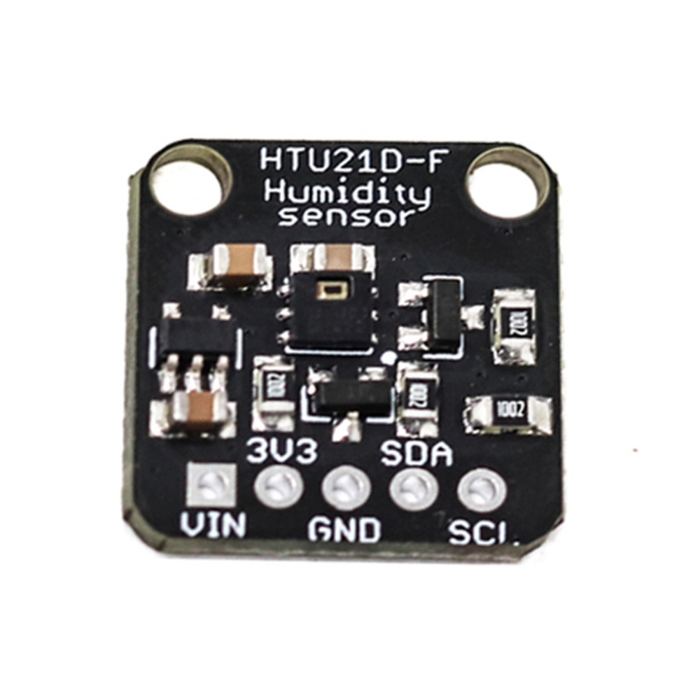
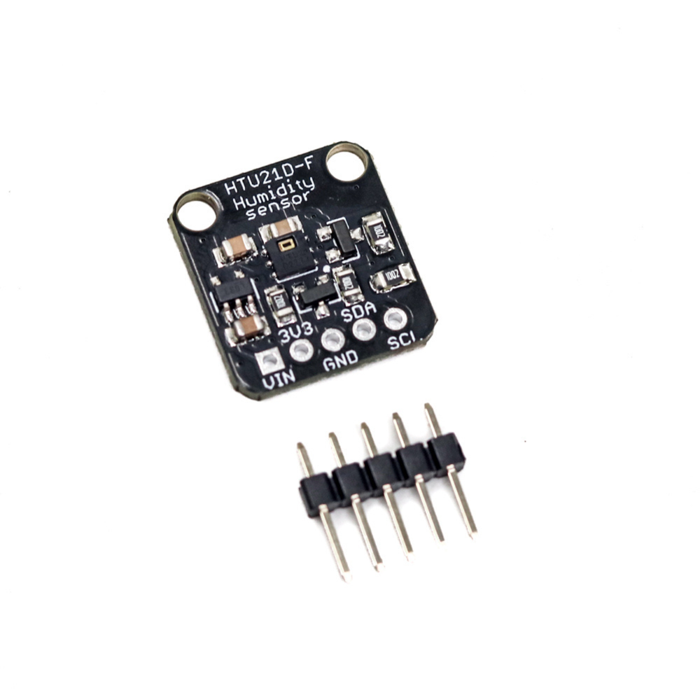
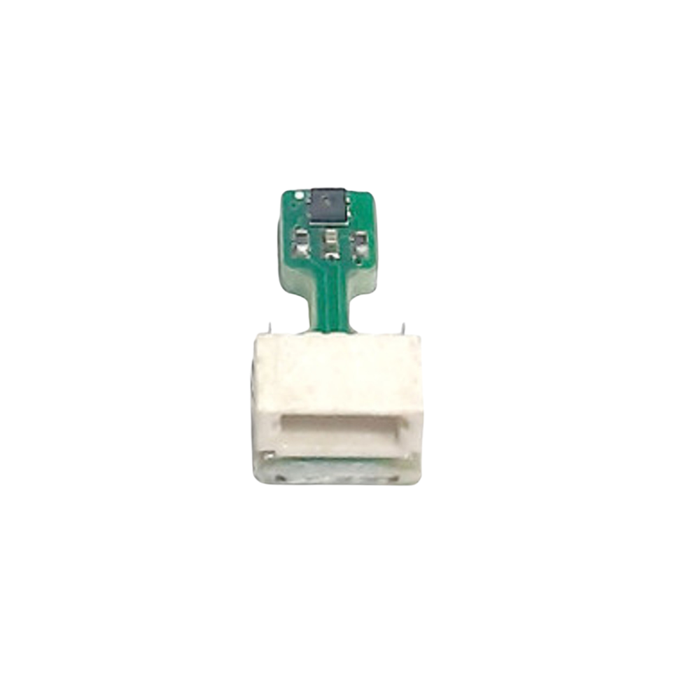
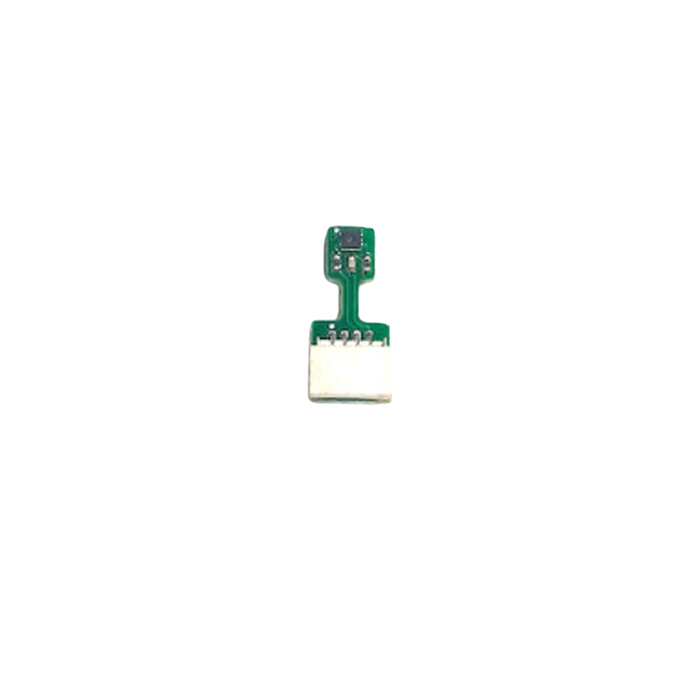
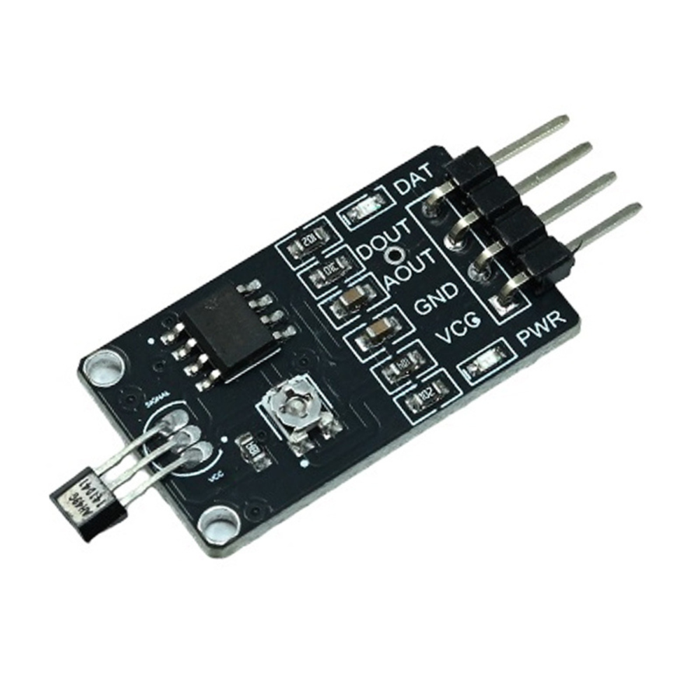
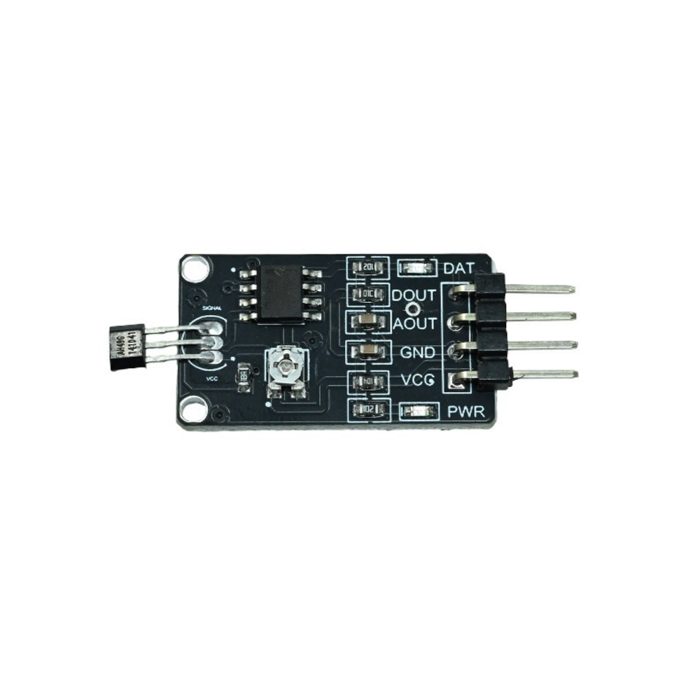
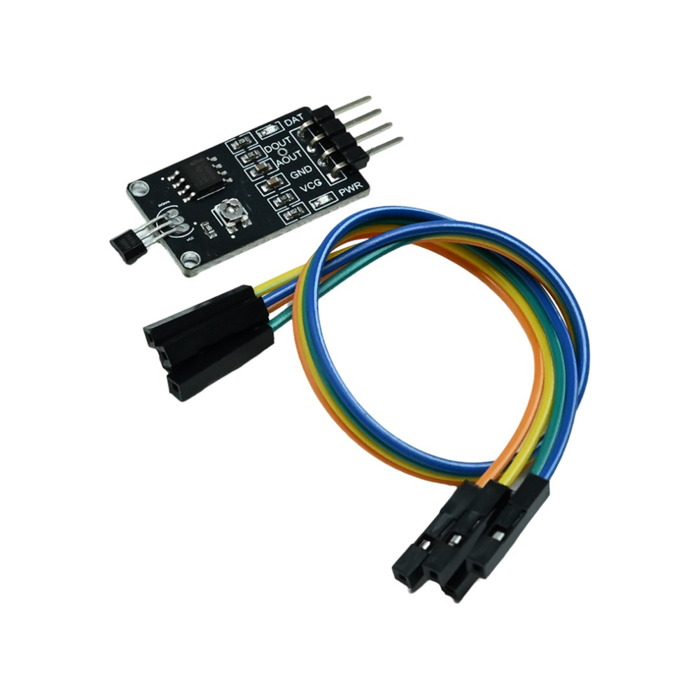
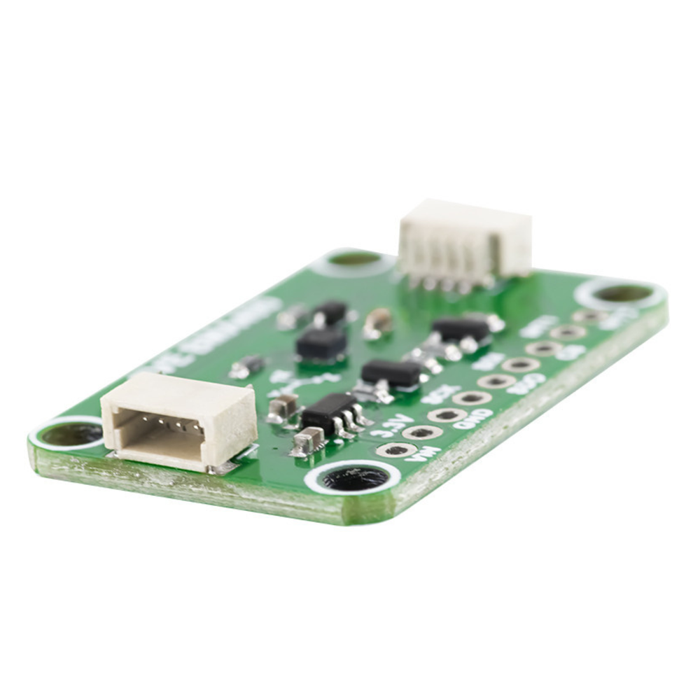
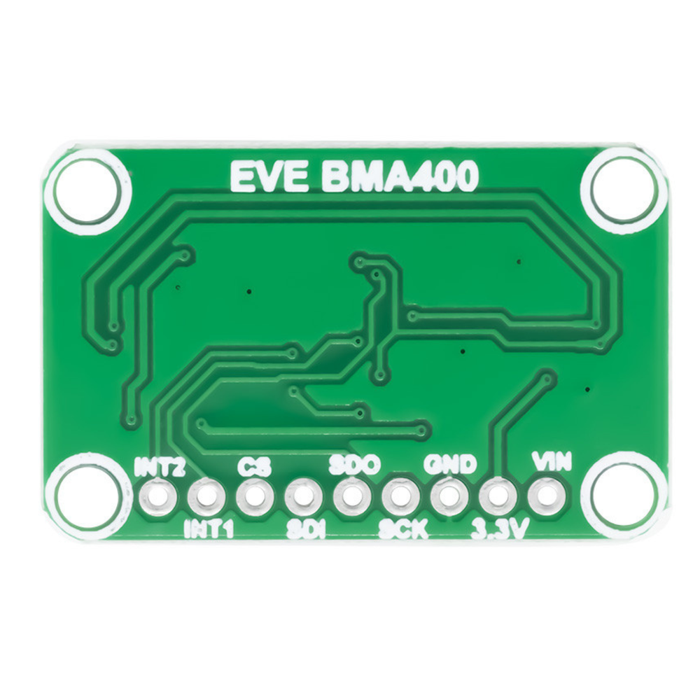
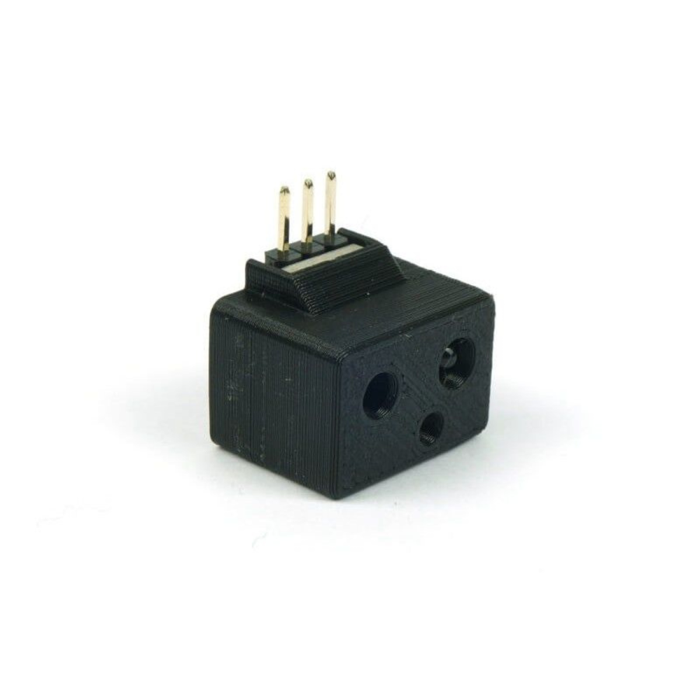
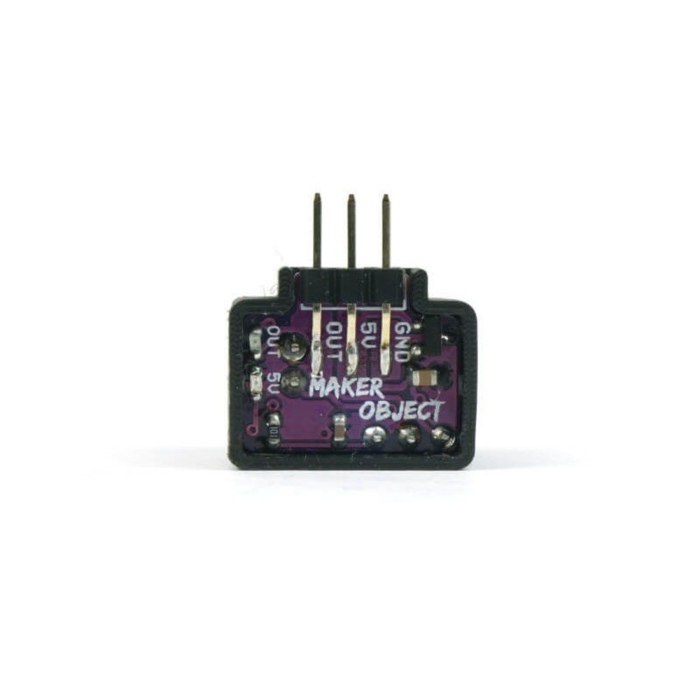
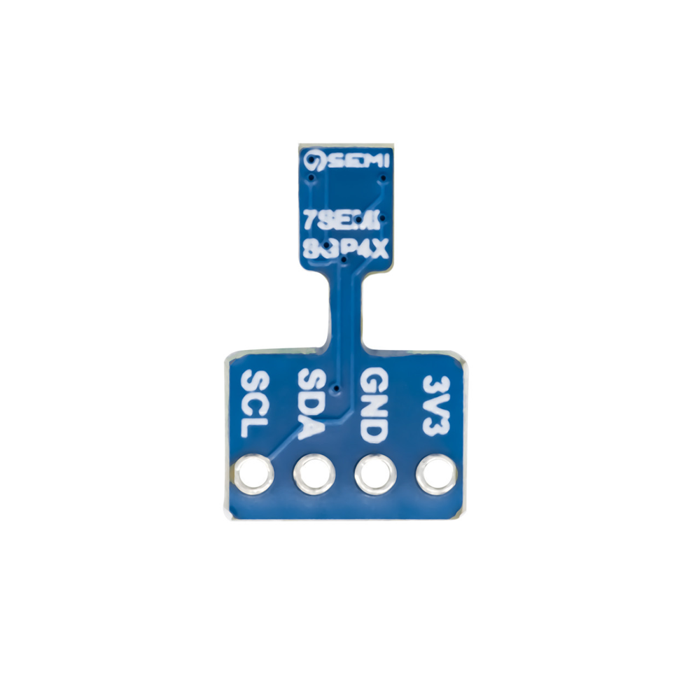
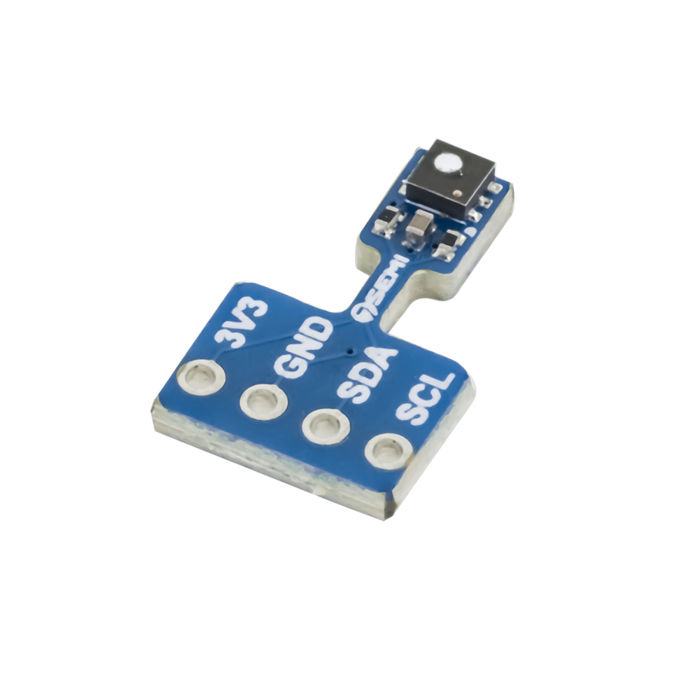
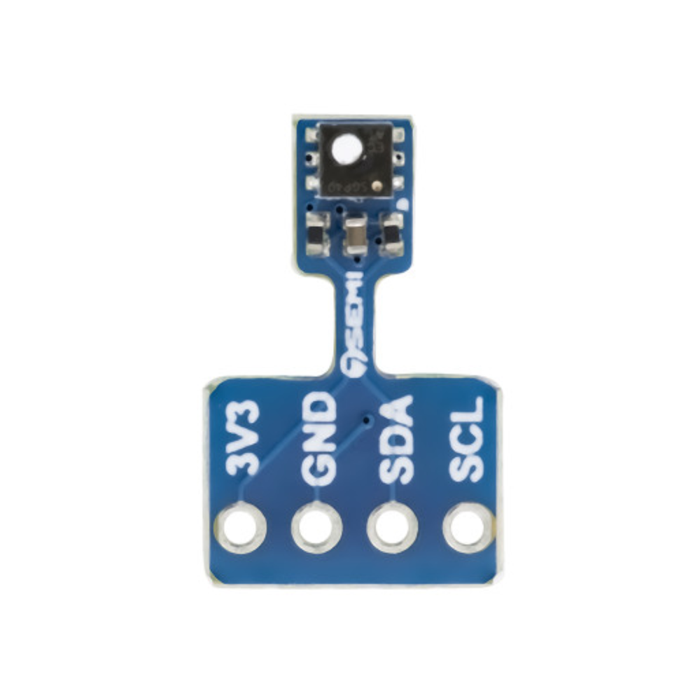
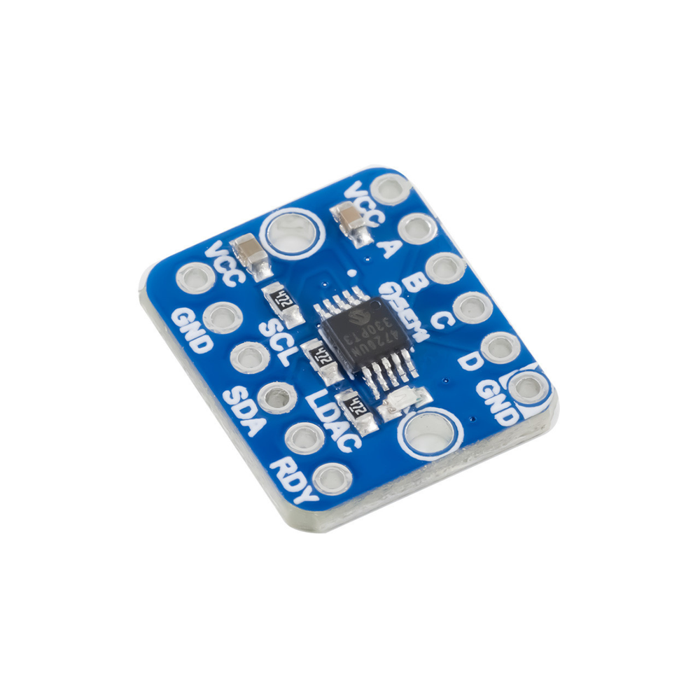
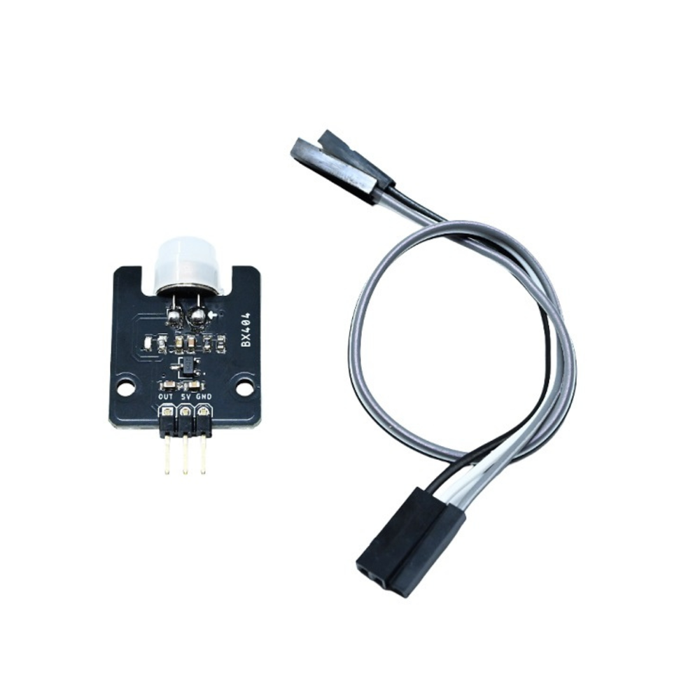
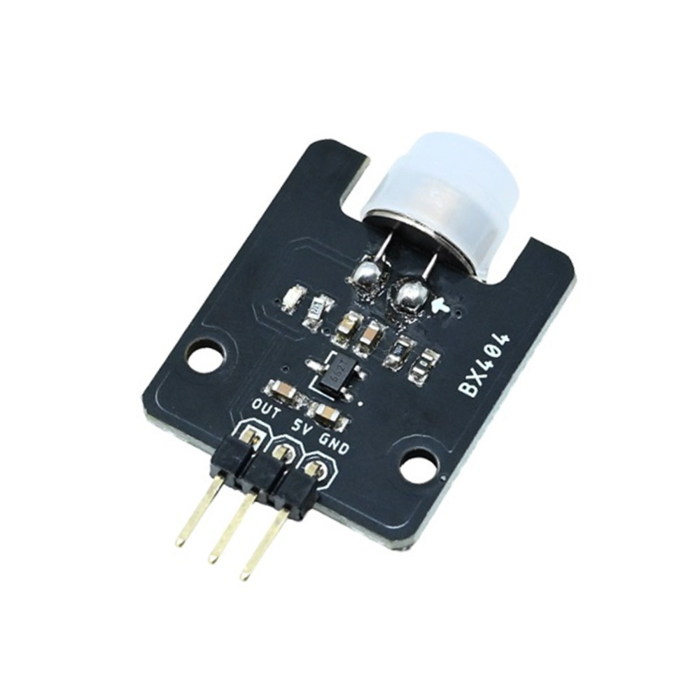
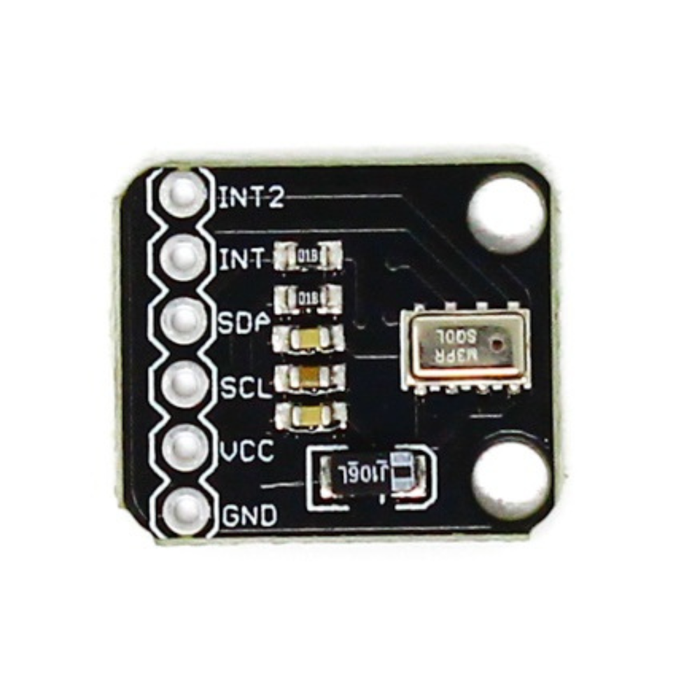
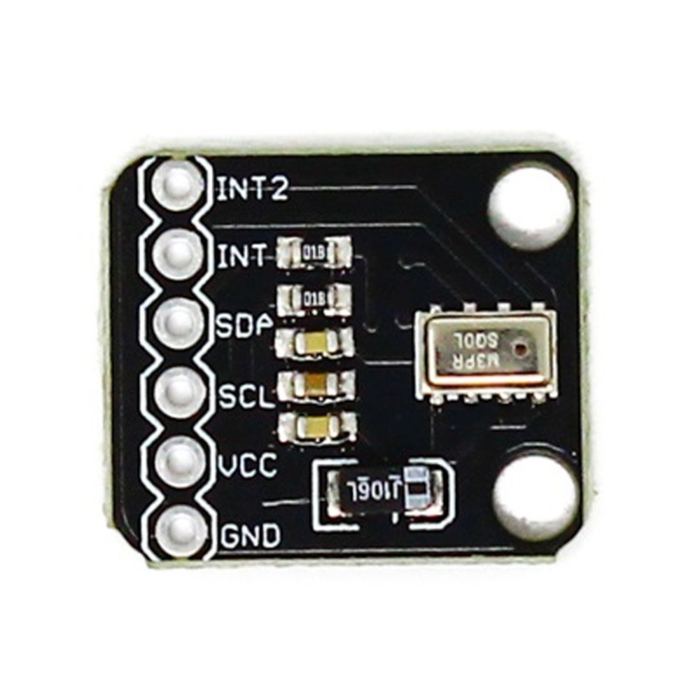
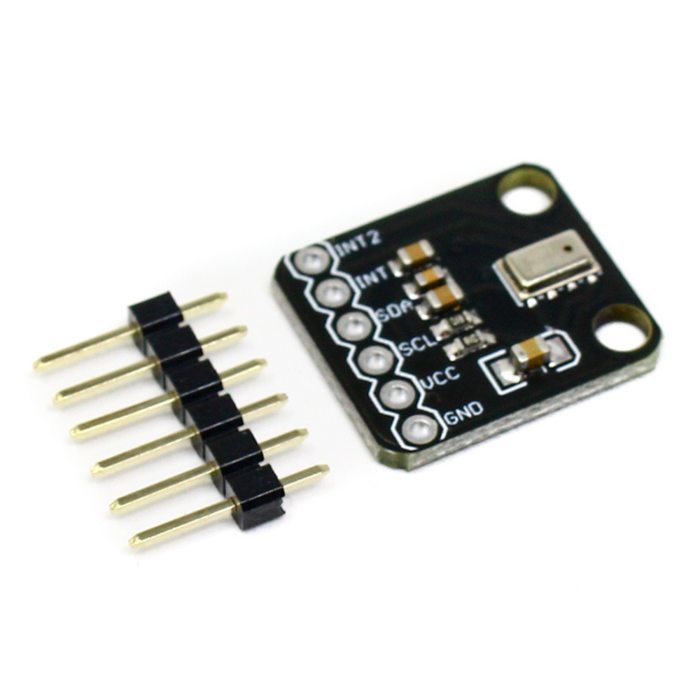
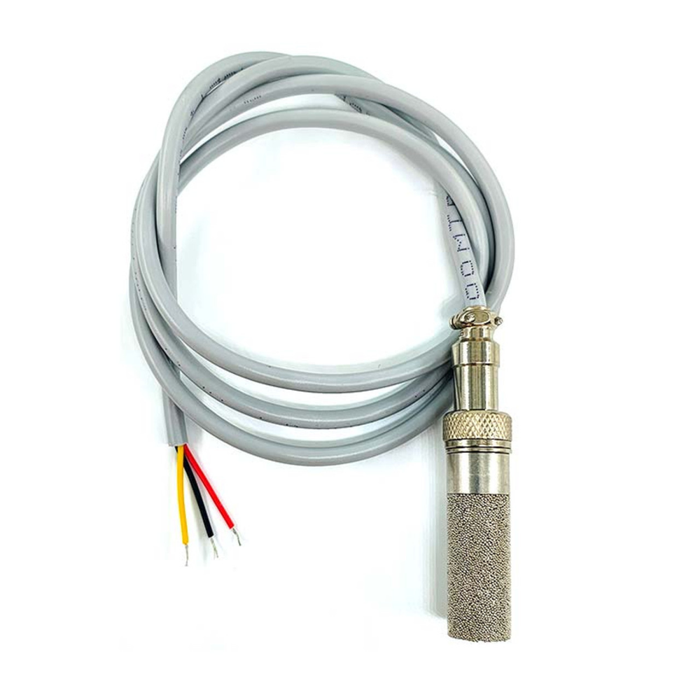
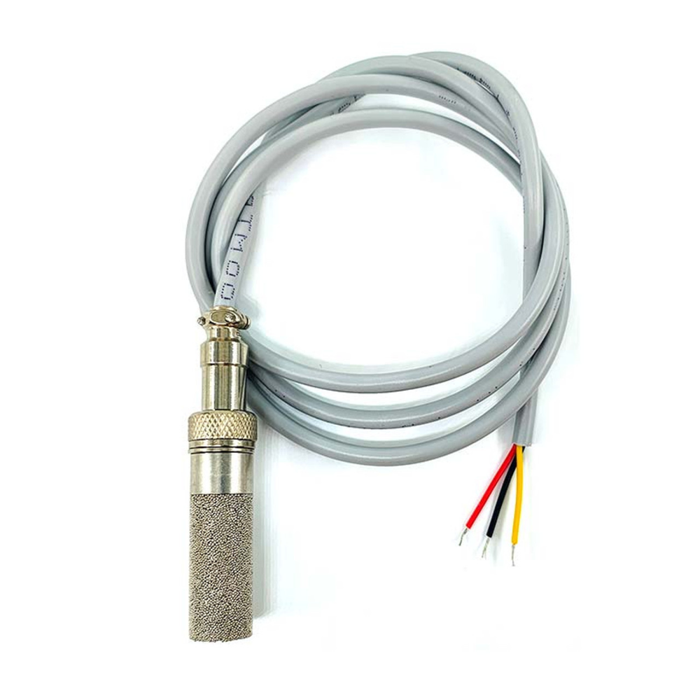
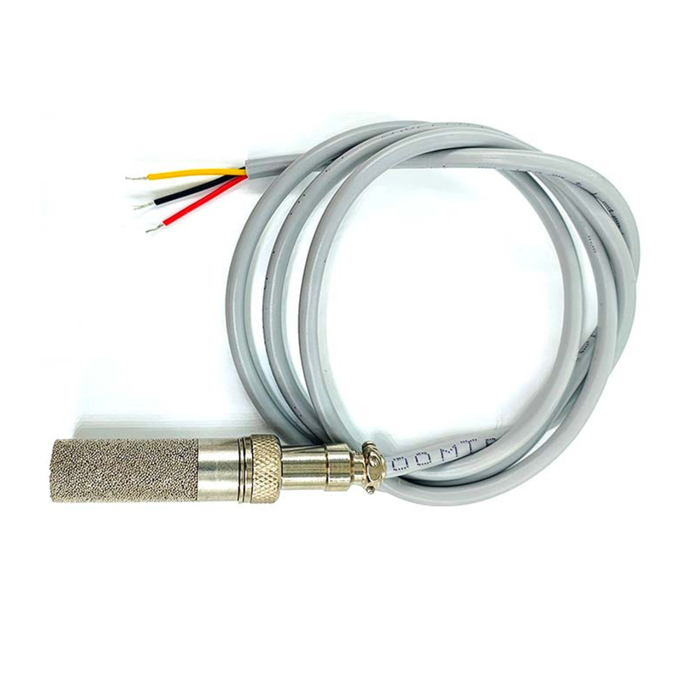
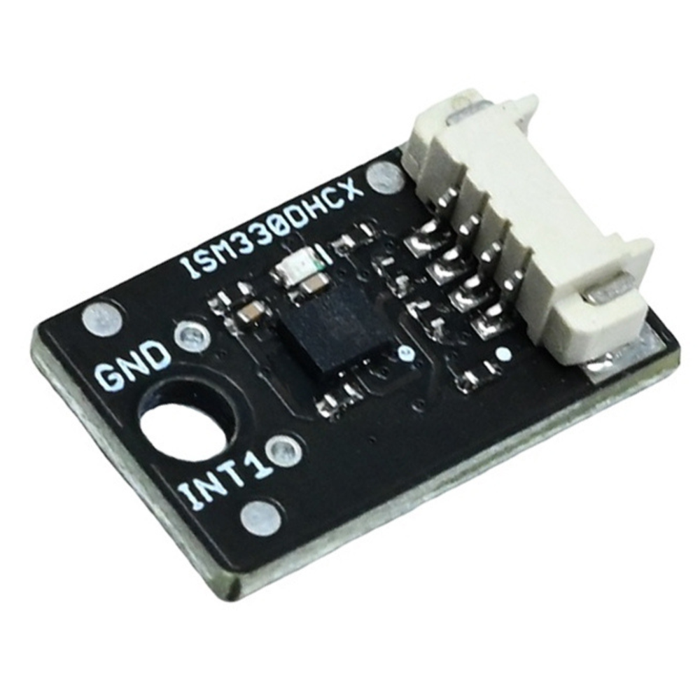
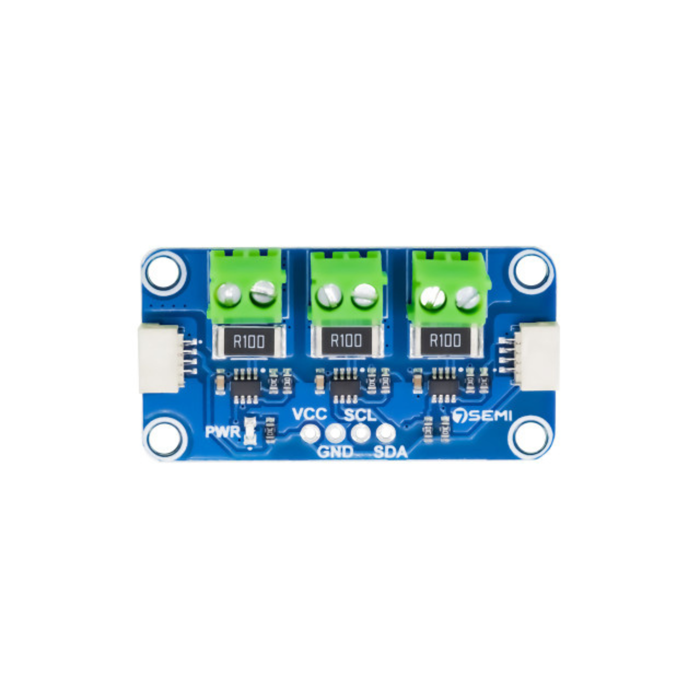
MAX30102 Pulse Oximeter Heart Rate Sensor Module
Expected restock within 5-7 business days. We'll ship immediately once available.
For urgent inquiries, please contact us .
Delivery & Pickup Options
Expected to be in stock within 5-7 business days. We'll ship immediately once available.
MAX30102 Pulse Oximeter Heart Rate Sensor Module The MAX30102 Pulse Oximeter Heart-Rate Sensor Module I2C Interface provides a complete system solution to ease the design-in process for mobile and wearable devices. The MAX30102 operates on a single 1.8V power supply and a separate 5.0V power supply for the internal LEDs. Communication is through a standard I2C-compatible interface. The module can be shut down through software with zero standby current, allowing the power rails to remain powered at all times. The heart rate oximetry module made with the MAX30102 is an upgraded version of the MAX30100 that can be used to measure heart rate oximetry on the wrist. It can be applied to smart wear fields such as sports watches. MAX30102 is an integrated pulse oximeter and heart-rate monitor sensor solution. It’s an optical sensor that derives its readings from emitting two wavelengths of light from two LEDs – a red and an infrared one – then measuring the absorbance of pulsing blood through a photodetector. This particular LED colour combination is optimized for reading the data through the tip of one’s finger. It is fully configurable through software registers and the digital output data is stored in a 16-deep FIFO within the device. It has an I2C digital interface to communicate with a host microcontroller. The pulse oximetry subsystem in MAX30102 consists of ambient light cancellation (ALC), 16-bit sigma delta ADC, and a proprietary discrete-time filter. It has an ultra-low-power operation which makes it ideal for battery-operated systems. MAX30100 operates on a supply in the range of 1.8 to 3.3V. It can be used in wearable devices, fitness assistant devices, medical monitoring devices, etc. The MAX30102 operates from 1.8V and 3.3V power supplies and can be powered down through software with negligible standby current, permitting the power supply to remain connected at all times. read our blog on eye blinking sensor , which provides information about the working principle of an eye blink sensing system. Note: For this sensor, you have to pull up SCL & SDA Pin( You have to connect a 10Kohm resistor between SCL & 5V And Same as SDA to 5V) Applications: Fitness Assistant Devices Medical Monitoring Devices Wearable Devices
- Integrated pulse oximeter and heart rate monitor
- I2C interface with 16-deep FIFO buffer
- Dual power supply: 1.8V logic, 5.0V LEDs
- Ambient light cancellation for accurate readings
- Ultra-low power consumption with shutdown mode
- Compatible with Arduino, ESP32, and Raspberry Pi
- Fully configurable via software registers
- Onboard ambient light cancellation (ALC)
- Proprietary discrete-time filtering
- Low-noise analog signal processing
- Ideal for fingertip-based SpO2 and HR measurement
- Compact module design for wearable integration
| Voltage | 1.8 - 3.3v |
|---|---|
| Current | 0.7 µA |
| Length | 5.6m |
| Width | 2.8mm |
| Height | 1.2mm |
| Weight | 2gm |
What is the MAX30102 sensor used for?
The MAX30102 measures heart rate and blood oxygen saturation (SpO2) using optical sensing. It's ideal for wearable fitness devices, medical monitors, and smartwatches.
Is the MAX30102 compatible with Arduino?
Yes, the MAX30102 communicates via I2C and works seamlessly with Arduino, ESP32, and Raspberry Pi using standard libraries.
What power supply does the MAX30102 require?
It requires 1.8V for logic and 5.0V for the LEDs. Ensure proper pull-up resistors (10KΩ) on SCL and SDA lines to 5V.
Can the MAX30102 be used in battery-powered devices?
Yes, it features ultra-low power operation and software shutdown mode, making it perfect for portable and wearable applications.
To rate this product please login!
About MAX30102 Pulse Oximeter Heart Rate Sensor Module by Iotcart
Shop MAX30102 Pulse Oximeter Sensor. Compatible with Arduino/Raspberry Pi. Ideal for wearable health monitoring & fitness devices.
Categorised under: Boards Witty Fox› Sensors