

Sort by

Browsing
Force/Flex/Load Sensors
FST 5.08mm Circle Force Senso…
FST 5.08mm Circle Force Sensor
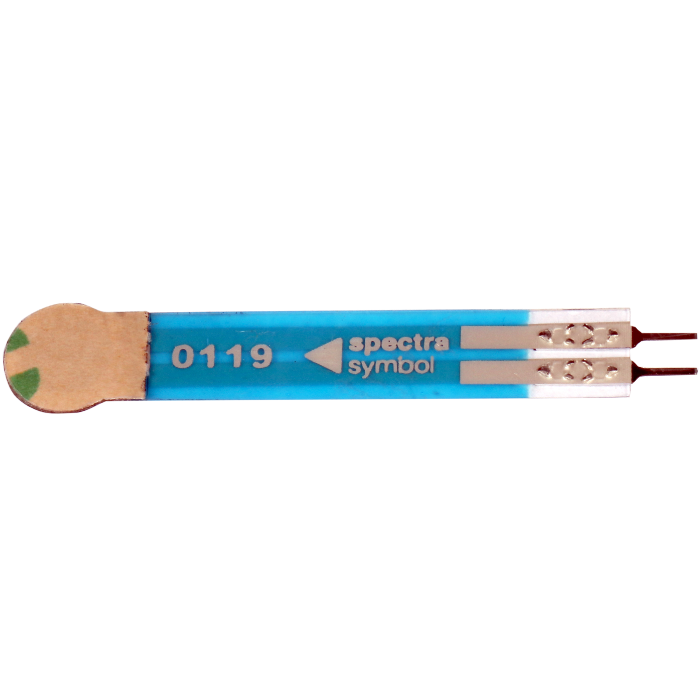
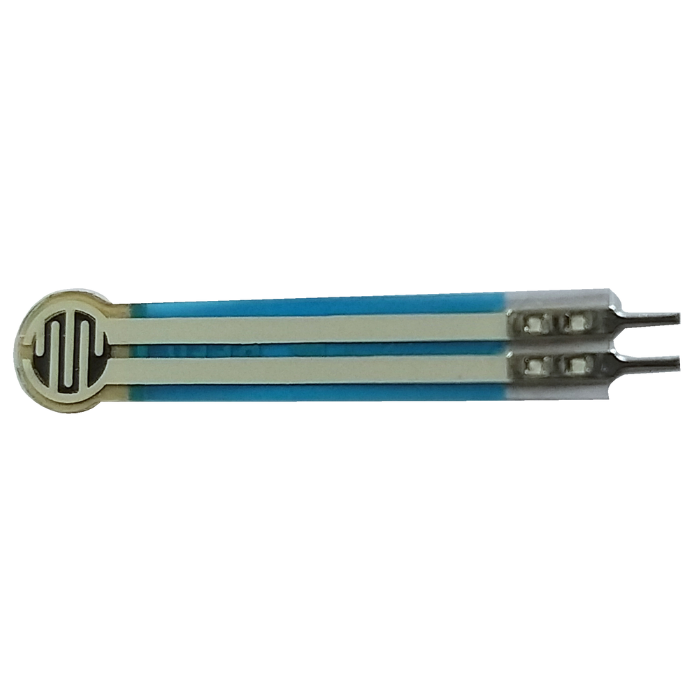
Circle Force Sensor, the epitome of precision and versatility. Crafted with flexible substrates, this 5.08mm sensor ensures reliable force and pressure measurement. Ideal for gaming, medical applications, and navigation controls, it boasts a compact 7.62mm diameter, making it perfect for diverse applications.
The sensor's wide force range, from 0.1N to 10N, caters to various needs, while its durability is guaranteed with over 1 million actuation cycles and a repeatability of +-10%. Whether you're weighing freight or ensuring the safety of industrial equipment, this sensor excels. Operating in temperatures from -30°C to +70°C, it thrives in any environment.
Elevate your technology with Circle Force Sensor. Made in India, this product is a testament to quality and innovation. We prioritize precision and reliability, making this force sensor the ideal choice for discerning users.
₹318,25
Incl. GST (No Hidden Charges)
Backorder Available
₹488,60
Incl. GST (No Hidden Charges)
FST 5.08mm Circle Force Sensor (Original)
FST 5.08mm Circle Force Sensor Circle Force Sensor, the epitome of precision and versatility. Crafted with flexible substrates, this 5.08mm sensor ensures reliable force and pressure measurement. Ideal for gaming, …
As low as
₹318,25
₹318,25
₹488,60
Incl. GST (No Hidden Charges)
Backorder Available
4.5in Flex Sensor
4.5in Flex Sensor
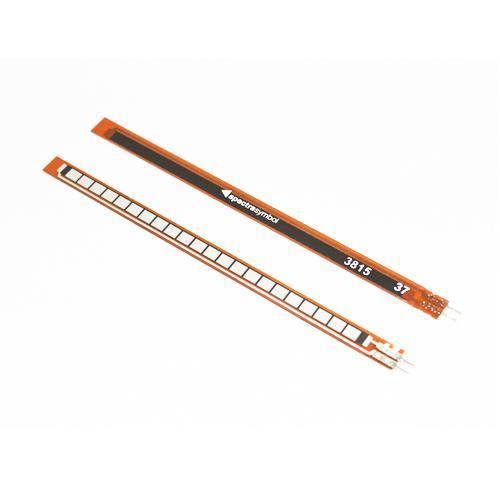
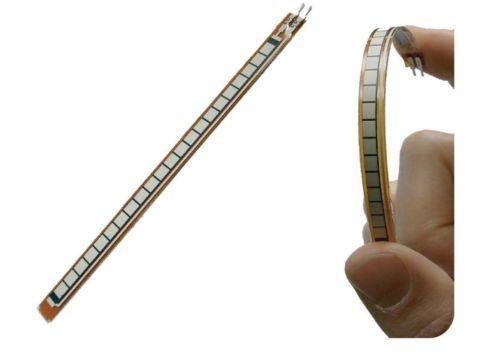
A SpectraSymbol Flex Sensor 4.5? Bend Sensor for Hand Gesture Recognition is a simple resistive sensor which is 4.5? in length yet a powerful sensor to sense the flexibility. As the sensor is flexed, the resistance across the sensor increases. The resistance of the flex sensor changes when the metal pads are on the outside of the bend (the text on the inside of bend). The connector is 0.1? spaced and bread board friendly. Check the datasheet for full specifications.
The flex sensor is a bend detecting sensor which has got numerous applications in robotics, medical and haptic technology. The resistance of these sensors changes in accordance with the bend, which can be measured using any microcontroller.
Note: The base of the sensor is sensitive to bending and may get damaged. Make sure that you bend only the sensing area.
Flex Sensor Interfacing with Arduino:
Flex Sensor Connection with Arduino Uno
Applications:
Angle Displacement Measurement
Bends and Flexes physically with the motion device
Possible Uses
Robotics
Gaming (Virtual Motion)
Medical Devices
Computer Peripherals
Musical Instruments
Physical Therapy
₹1261,84
Incl. GST (No Hidden Charges)
Backorder Available
₹1678,60
Incl. GST (No Hidden Charges)
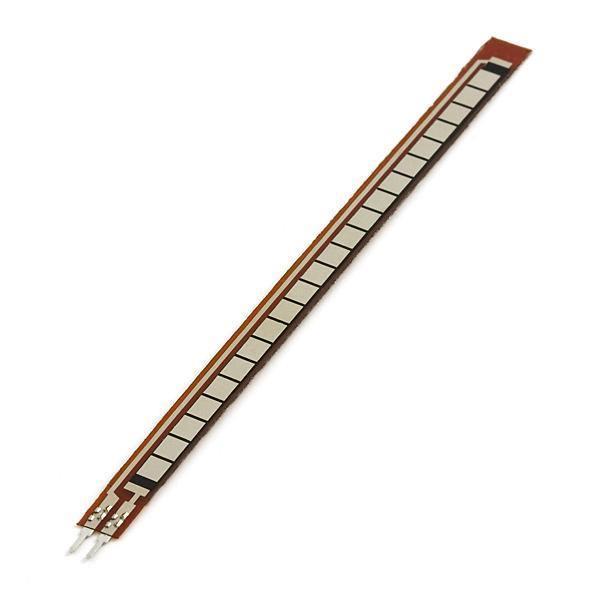
4.5in Flex Sensor
4.5in Flex Sensor A SpectraSymbol Flex Sensor 4.5? Bend Sensor for Hand Gesture Recognition is a simple resistive sensor which is 4.5? in length yet a powerful sensor to sense …
As low as
₹1261,84
₹1261,84
₹1678,60
Incl. GST (No Hidden Charges)
Backorder Available
Flex Sensor 2.2 inch
Flex Sensor 2.2" Bend Sensor for Hand Gesture Recognition
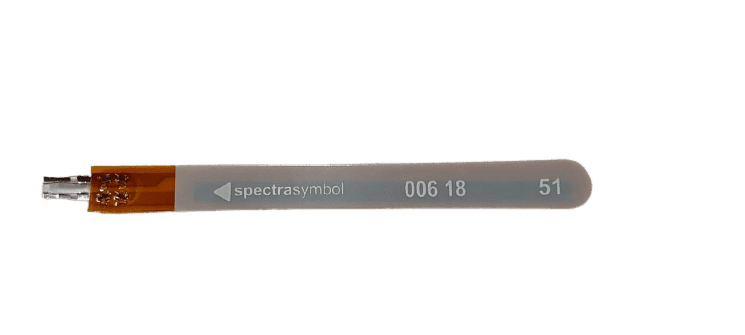
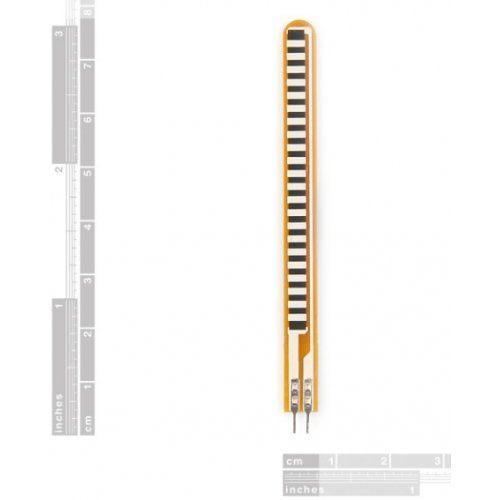
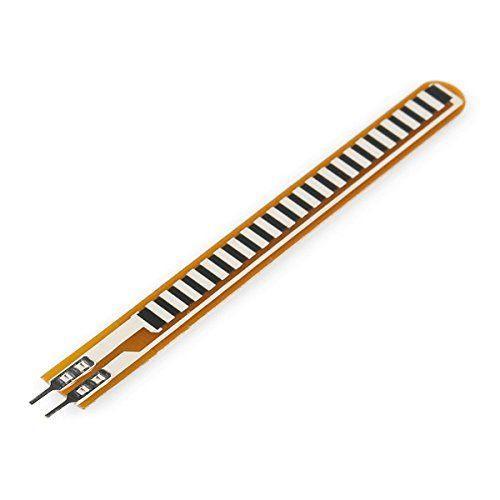
The 2.2-inch Flex Sensors are commonly used in Robotic Gloves and other Robotic Control applications. It can be used to analyse how much material is being bent. This flex sensor is 2.2” long and has two output leads that act like a variable resistor. The resistance between two pins changes based on how much the sensor is bent. It is commonly used along with another resistor to build a voltage divider circuit and then obtain a variable voltage based on the change in resistance of the sensor.
The
flex sensor
is a bend-detecting sensor that has got numerous applications in robotics, medical and haptic technology. The resistance of these sensors changes in accordance with the bend, which can be measured using any microcontroller.
This is a simple 2.2" long flex sensor that can be used/interfaced with an
Arduino
. As the sensor is flexed, the resistance across the sensor increases. The resistance of the flex sensor changes when the metal pads are on the outside of the bend (text on inside of the bend). The connector is 0.1" spaced and breadboard friendly.
Note:
Please refrain from flexing or straining this sensor at the base. The usable range of the sensor can be flexed without a problem, but care should be taken to minimize flexing outside of the usable range. For best results, securely mount the base and bottom portion and only allow the actual flex sensor to flex.
Features:
Length: 2.2 inches (5.6 cm)
Resistance: Changes as the sensor is bent
Operating Voltage: 0-5V DC
Power Rating: 0.5 Watts (continuous), 1 Watt (peak)
Applications:
Angle Displacement Measurement.
Bends and Flexes physically with the motion device.
Robotics Applications
Gaming (Virtual Motion)
Can be used in physical therapy
Check out our collection of
sensor
at great prices!
₹321,59
Incl. GST (No Hidden Charges)
Backorder Available
₹698,60
Incl. GST (No Hidden Charges)
Flex Sensor 2.2 inch
Flex Sensor 2.2" Bend Sensor for Hand Gesture Recognition The 2.2-inch Flex Sensors are commonly used in Robotic Gloves and other Robotic Control applications. It can be used to analyse …
As low as
₹321,59
₹321,59
₹698,60
Incl. GST (No Hidden Charges)
Backorder Available
10kg Load Cell with HX711 Wei…
10kg Load Cell with HX711 Weight Sensor
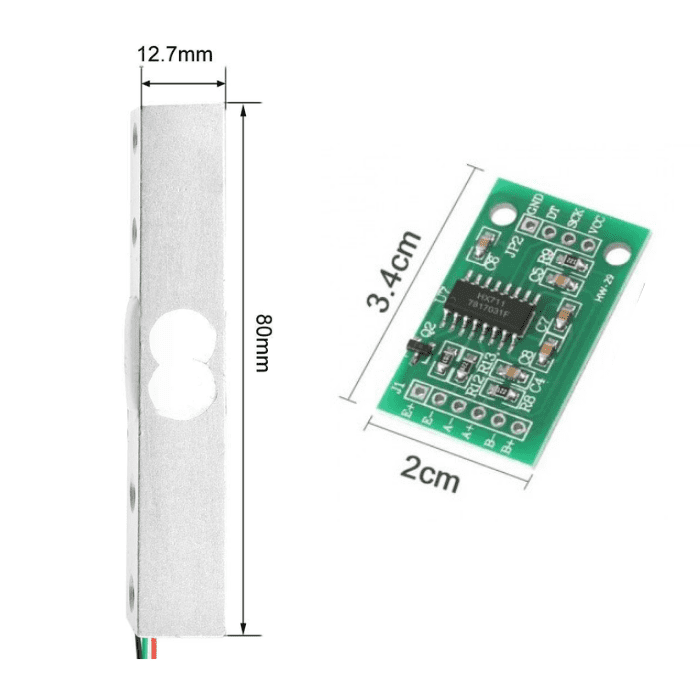
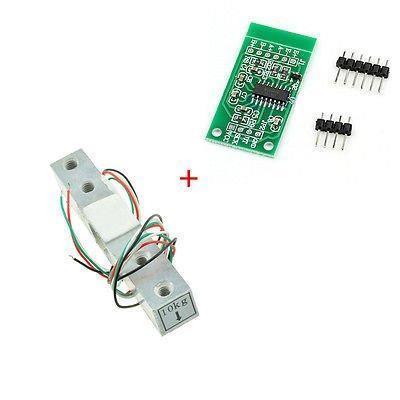
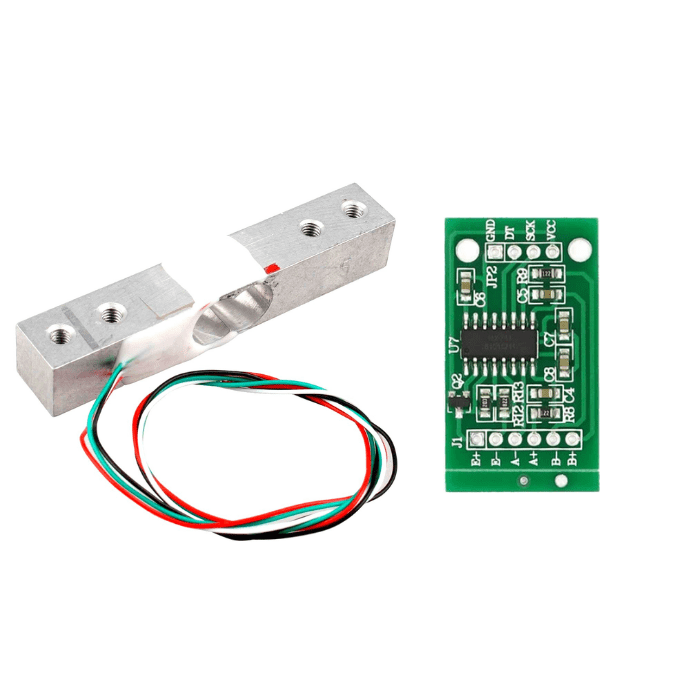
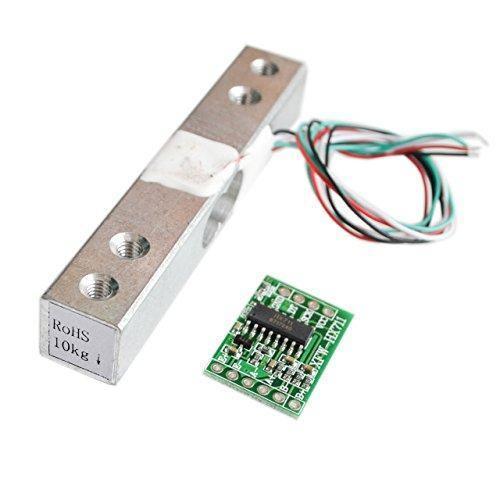
To measure the weight and load of any object we use strain gauges but the problem with using standalone strain gauges is that they are fragile and are easily bent and break if not used in a proper enclosure. This load cell made up of aluminum alloy can measure up to 10 kg load and outputs in the form of electrical signals proportionally. This sensor will use a HX711 Analog to Digital signal converter, it is easy to use with driving voltage 5-10V and produce the output voltage as per the force changes over it, to read and send the data to the microcontroller or development board you are using as the analog signal from the load cell is too small to be read easily.
Accurate measures forces from 0-1kg; load cell specs: 22 cm (8.5 in) wire leads pre-attached. Dimensions 12.7 mm high, 12.7 mm wide, 80 mm long (0.5 in x 0.5 in x 3.15 in). 4 mounting holes, 15 mm spacing on each side. On both holes tapped m4 thread, on the other side, both holes tapped m5 thread.
HX711
: This top-of-the-line load cell amplifier mounted on a breakout board pairs perfectly with the load cell to provide fast, accurate force measurements. It measures small changes in the resistance of the strain gauges mounted to the load cell and passes these values directly to any microcontroller (like an Arduino or raspberry pi).
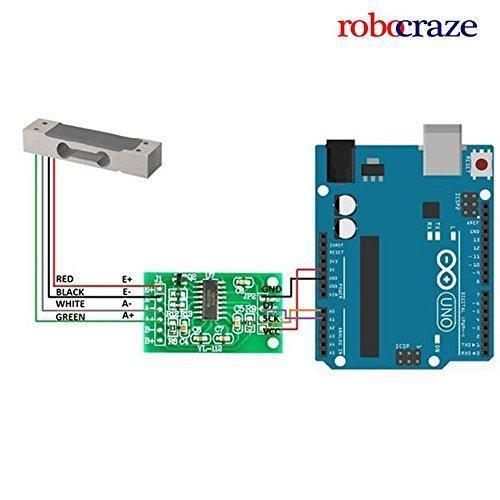
Connection (to HX711):
Red to e+; black to e-; green to a+; white to a-
Applications:
Platform scales
Electronic weighing machines
Belt scales
₹160,23
Incl. GST (No Hidden Charges)
Backorder Available
₹278,60
Incl. GST (No Hidden Charges)
10kg Load Cell with HX711 Weight Sensor
10kg Load Cell with HX711 Weight Sensor To measure the weight and load of any object we use strain gauges but the problem with using standalone strain gauges is that …
As low as
₹160,23
₹160,23
₹278,60
Incl. GST (No Hidden Charges)
Backorder Available
50kg Load Cell with HX711 Wei…
50kg Load Cell with HX711 Weight Sensor
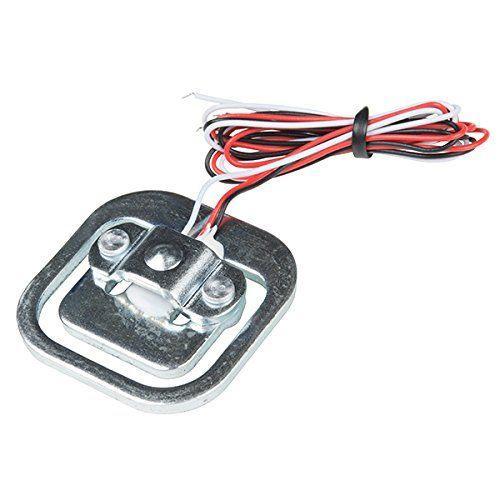
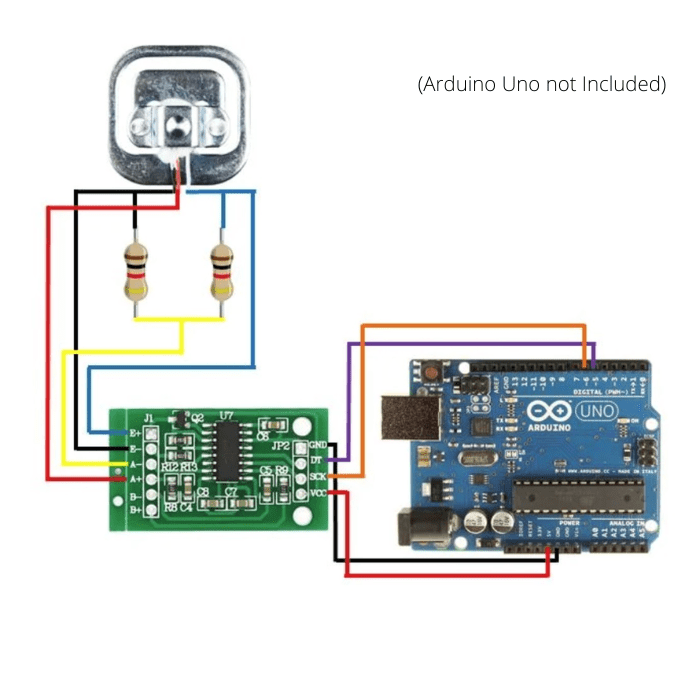
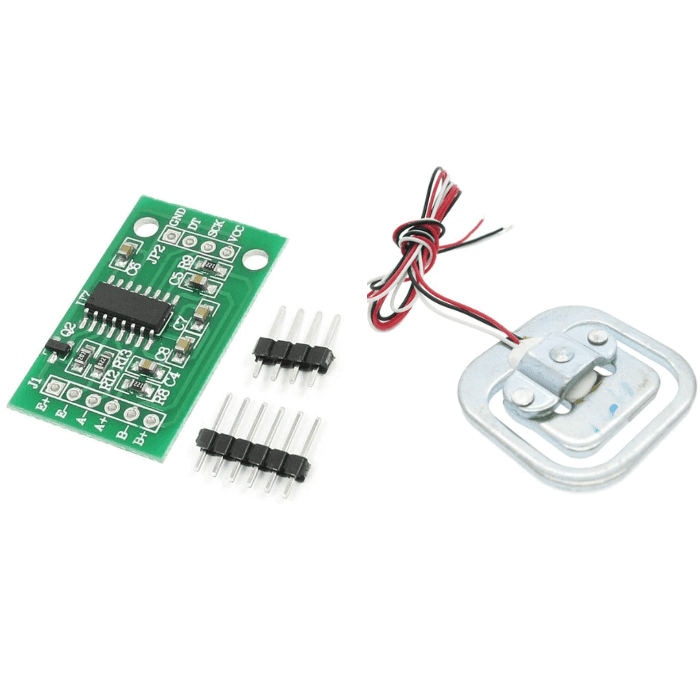
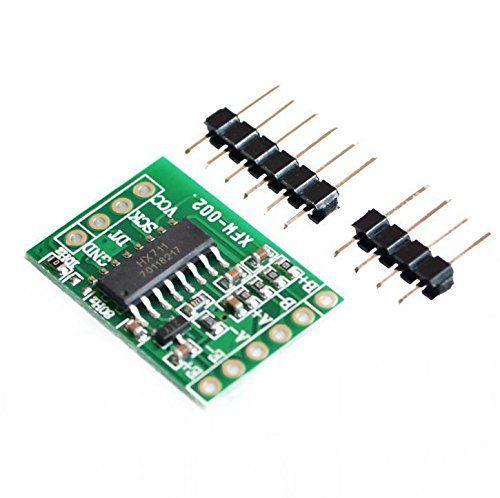
To measure the weight and load of any object we use strain gauges but the problem with using standalone strain gauges is that they are fragile and are easily bent and break if not used in proper enclosure. To overcome this difficulty this 50 KG Body Load Cell Weighing Sensor comes with a metal enclosure to protect the strain gauge inside. The Load cell is of internal resistance 1000
?
Half Bridge structure so, you will need to connect external resistances to read variation of resistance in full bridge or you can use two or 4 of these load cells to complete the bridge. If you are using 2 or more than two load cell weighing sensors then the weighing limit of the whole combination will increase. They are used in Platform scales, Electronic weighing machines, belt scales etc.
While using this sensor, we measure the change in resistance between the Red and White or Red and Black Wires. At times the change is so small that you will need an external amplifier like an HX711 breakout board to amplify the small changes to readable values that can be read by the microcontroller or ADC ICs.
50Kg Load Cell
:
The 50kg Half-bridge Experiments Body Scale Load Cell Sensor is measuring; the correct force is applied to the outer side of the strain E-shaped beam portion of the sensor (i.e., a strain gauge affixed to the intermediate, adhesive coating with white beam arms); and the outer edges to form a shear force in the opposite direction, i.e., middle strain beam bending necessary changes can occur under stress, strain beam side by another force should not be a barrier.
HX711:
The dual-channel 24 Bit Precision A/D weight Pressure Sensor Load Cell Amplifier and ADC HX711 Module is a small breakout board; for the HX711 IC that allows you to easily read load cells to measure weight. By connecting the module to your microcontroller you will be able to read the changes in the resistance of the load cell, and with some calibration. You’ll be able to get very accurate weight measurements. This can be handy for creating your own industrial scale, process control, or simple presence detection. The HX711 Weighing Sensor uses a two-wire interface (Clock and Data) for communication. Any microcontroller’s GPIO pins should work and numerous libraries have been written making it easy to read data from the HX711.
Applications:
Platform scales
Electronic weighing machines
Belt scales
Also check
50kg Load Cell
available on the Iotcart website. It is described as an Alloy Steel wired weighing load cell with high accuracy, simple structure, and easy installation. The load cell is designed for use in hopper scales, platform scales, platform balance, belt scales, and other electronic weighing devices.
₹151,33
Incl. GST (No Hidden Charges)
Backorder Available
₹250,60
Incl. GST (No Hidden Charges)
50kg Load Cell with HX711 Weight Sensor
50kg Load Cell with HX711 Weight Sensor To measure the weight and load of any object we use strain gauges but the problem with using standalone strain gauges is that …
As low as
₹151,33
₹151,33
₹250,60
Incl. GST (No Hidden Charges)
Backorder Available
load cell ( 3 KG )
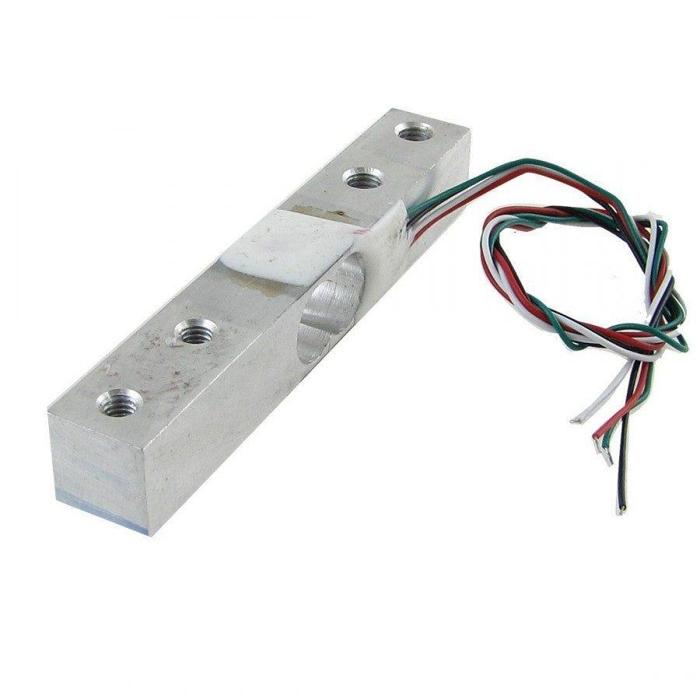
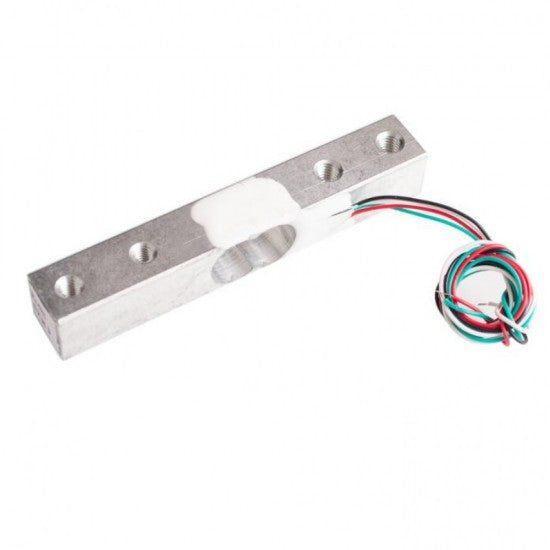
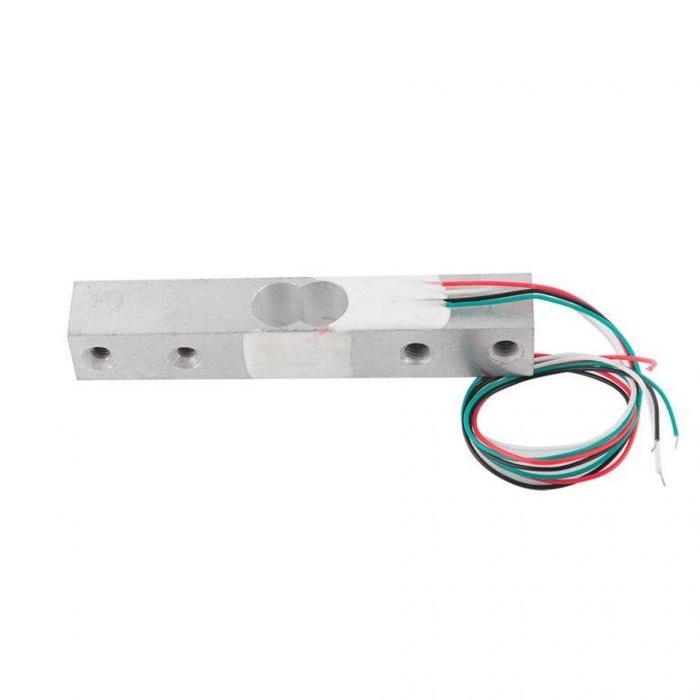
3Kg Load Cell
The electrical signal output is typically in the order of a few millivolts and requires amplification by an instrumentation amplifier before it can be used. The output of the transducer is plugged into an algorithm to calculate the force applied to the transducer. A load cell is a transducer that is used to create an electrical signal whose magnitude is directly proportional to the force being measured.
₹136,87
Incl. GST (No Hidden Charges)
Backorder Available
₹250,60
Incl. GST (No Hidden Charges)
load cell ( 3 KG )
3Kg Load Cell The electrical signal output is typically in the order of a few millivolts and requires amplification by an instrumentation amplifier before it can be used. The output …
As low as
₹136,87
₹136,87
₹250,60
Incl. GST (No Hidden Charges)
Backorder Available
20Kg Load Cell
20Kg Load Cell
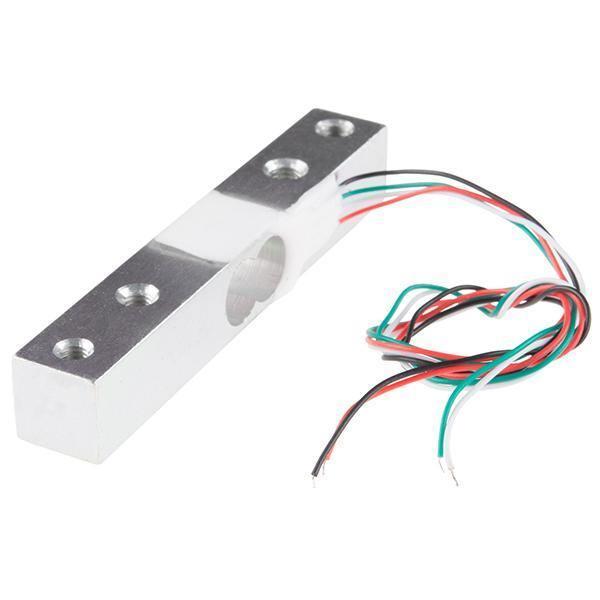
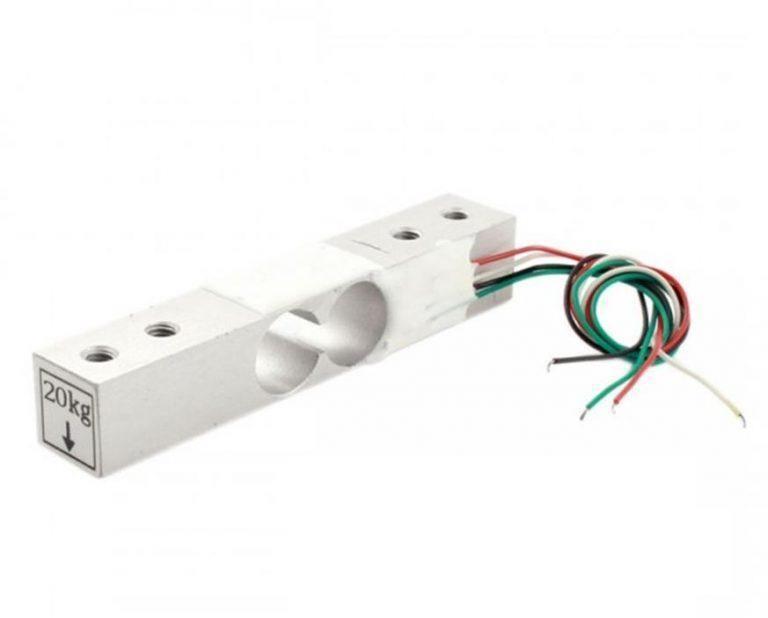
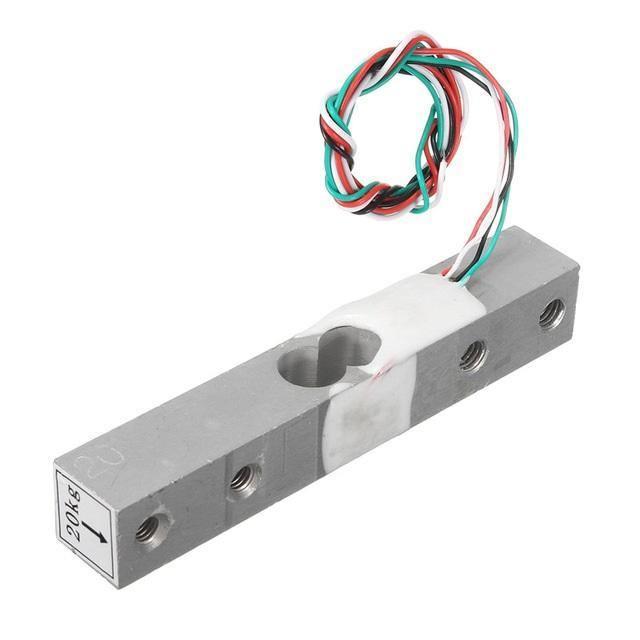
This straight bar load cell (sometimes called a strain gauge) can translate up to 20 kg of pressure (force) into an electrical signal. Each load cell is able to measure the electrical resistance that changes in response to, and proportional of, the strain (e.g. pressure or force) applied to the bar.
With this gauge, you will be able to tell just how heavy an object is, if an object’s weight changes over time, or if you simply need to sense the presence of an object by measuring strain or load applied to a surface. This straight bar load cell is made from an aluminum alloy and is capable of reading a capacity of 1KG of weight
It has Four lead wires which can be connected to HX711 A/D Pressure Sensor. It is easy to use with driving voltage 5-10V and produce the output voltage as per the force changes over it.
Installation of the Sensor is also the simple task, it needs to fix one end through the screw hole and the other end left floating state, according to the label indicates the direction of the gravitational force exerted particular attention must not directly push the white plastic cover part of the sensor in order to avoid damage.
An electronic weighing machine uses a load cell to measure the load or pressure produced by the load, here most load cells follow the method of the strain gauge, Which converts the pressure (force) into an electrical signal, these load cells have four strain gauges that are hooked up in a Wheatstone bridge formation.
When we apply to load the strain gauge resistance will change and hence the output voltage from the load cell get changes by the way we can measure the load value.
read more :
Load cell : The Ultimate Guide
₹103,49
Incl. GST (No Hidden Charges)
Backorder Available
₹184,80
Incl. GST (No Hidden Charges)
20Kg Load Cell
20Kg Load Cell This straight bar load cell (sometimes called a strain gauge) can translate up to 20 kg of pressure (force) into an electrical signal. Each load cell is …
As low as
₹103,49
₹103,49
₹184,80
Incl. GST (No Hidden Charges)
Backorder Available
40Kg Load Cell
40Kg Load Cell
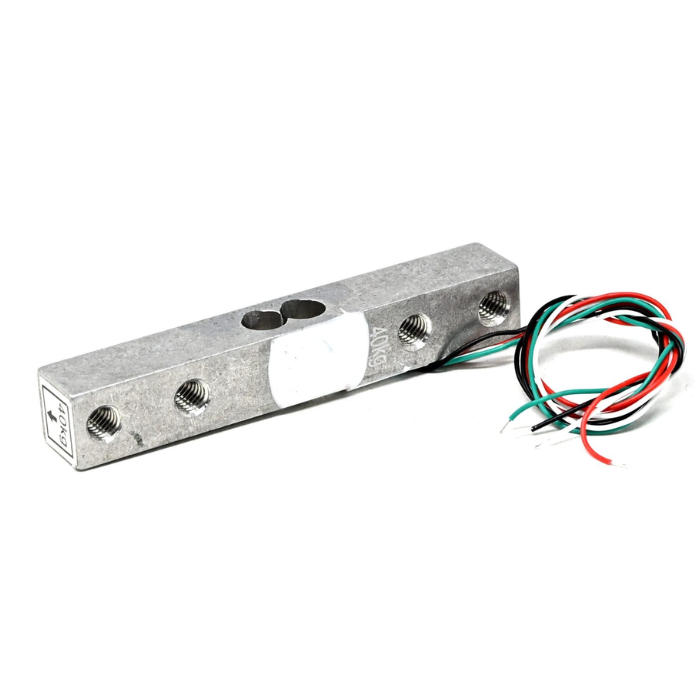
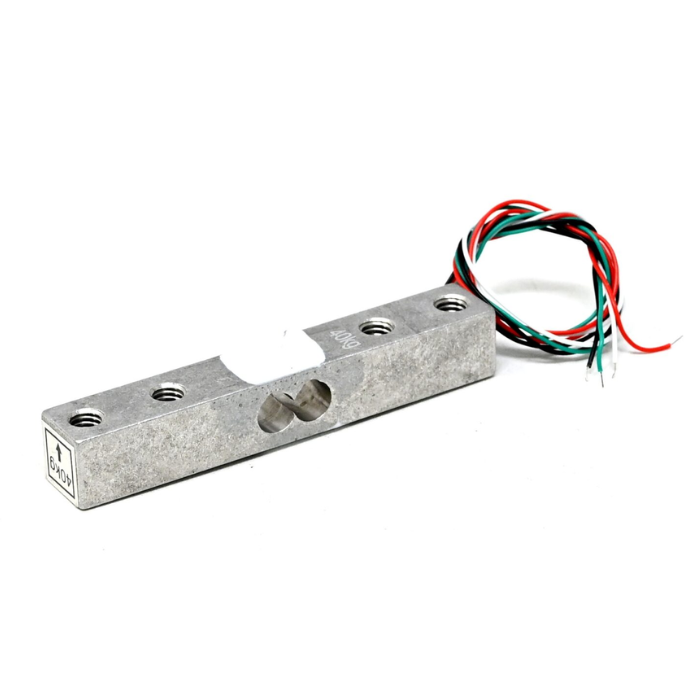
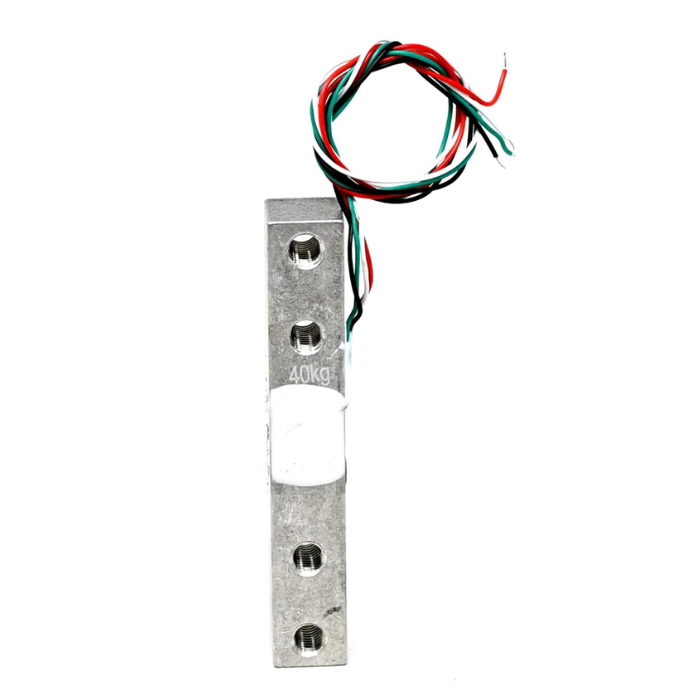
The electrical signal output is typically in the order of a few millivolts and requires amplification by an instrumentation amplifier before it can be used. The output of the transducer is plugged into an algorithm to calculate the force applied to the transducer.
This conversion is indirect and happens in two stages. Through a mechanical arrangement, the force being sensed deforms a strain gauge. The strain gauge measures the deformation (strain) as an electrical signal, because the strain changes the effective electrical resistance of the wire. A load cell usually consists of four strain gauges in a Wheatstone bridge configuration. Load cells of one strain gauge (quarter bridge) or two strain gauges (half bridge) are also available.
₹588,64
Incl. GST (No Hidden Charges)
Backorder Available
₹782,60
Incl. GST (No Hidden Charges)
40Kg Load Cell
40Kg Load Cell The electrical signal output is typically in the order of a few millivolts and requires amplification by an instrumentation amplifier before it can be used. The output …
As low as
₹588,64
₹588,64
₹782,60
Incl. GST (No Hidden Charges)
Backorder Available
50Kg Load Cell
50Kg Load Cell
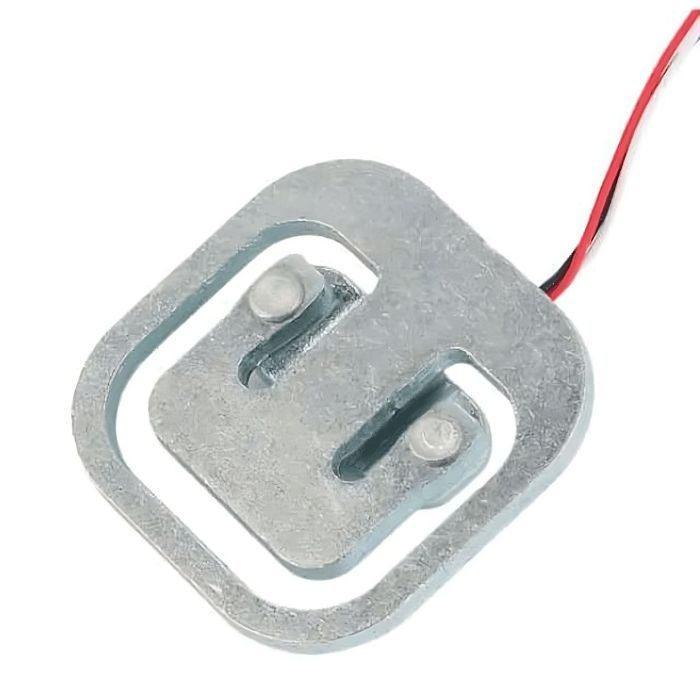
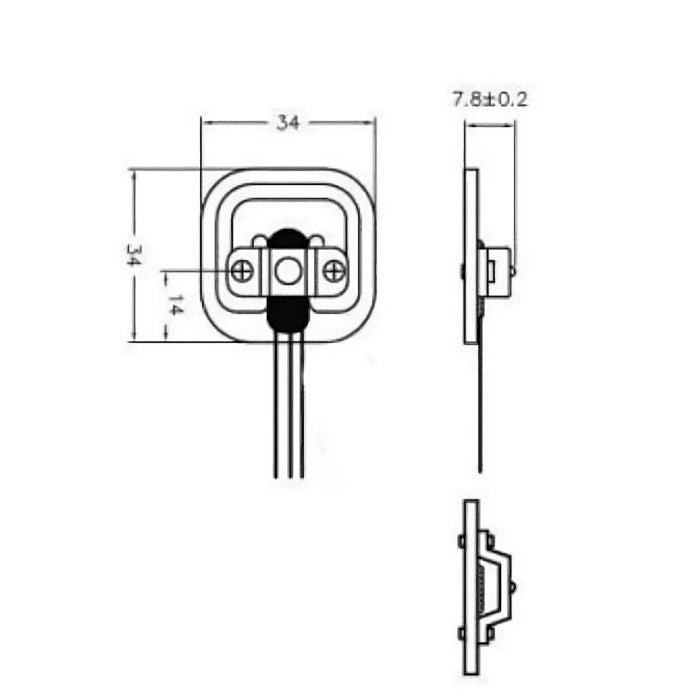
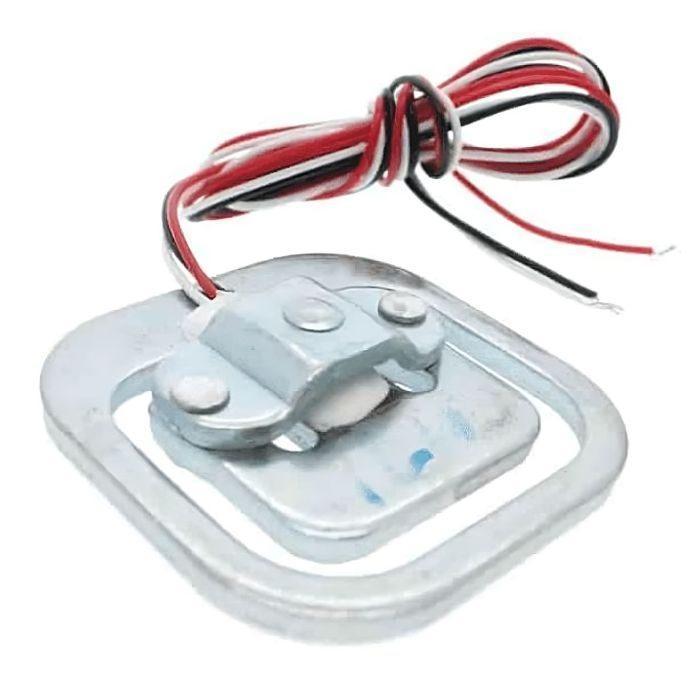
This 50kg load cell, also known as a strain gauge, can be found in digital bathroom scales. This
load cell sensor
is capable of measuring up to 50 kg. While using this load cell sensor, the correct force is applied to the outer side of the strain E-shaped beam portion of the sensor (i.e., a strain gauge affixed to the intermediate, adhesive coating with white beam arms); and the outer edges to form a shear force in the opposite direction, i.e., middle strain beam bending necessary changes can occur under stress, strain beam side by another force should not be a barrier.
If you want to use this load cell you need few essential elements like
hx711
,
Arduino
,
jumper wires
,
display module
and
soldering tools
. There are other types of load cell also available , according to your requirement
The sensor can be used with the following three methods
Using a sensor with an external resistors full bridge measurement range of a sensor range: 50kg. Higher requirements for an external resistor.
The uses of only two full-bridge sensors measuring range are the range of the two sensors and: 50kgx2 = 100kg.
The use of four full-bridge sensors measuring range is the range of four sensors and: 50kgx4 = 200kg.
₹45,62
Incl. GST (No Hidden Charges)
Backorder Available
₹75,60
Incl. GST (No Hidden Charges)
50Kg Load Cell
50Kg Load Cell This 50kg load cell, also known as a strain gauge, can be found in digital bathroom scales. This load cell sensor is capable of measuring up to …
As low as
₹45,62
₹45,62
₹75,60
Incl. GST (No Hidden Charges)
Backorder Available
10Kg Load Cell
10Kg Load Cell
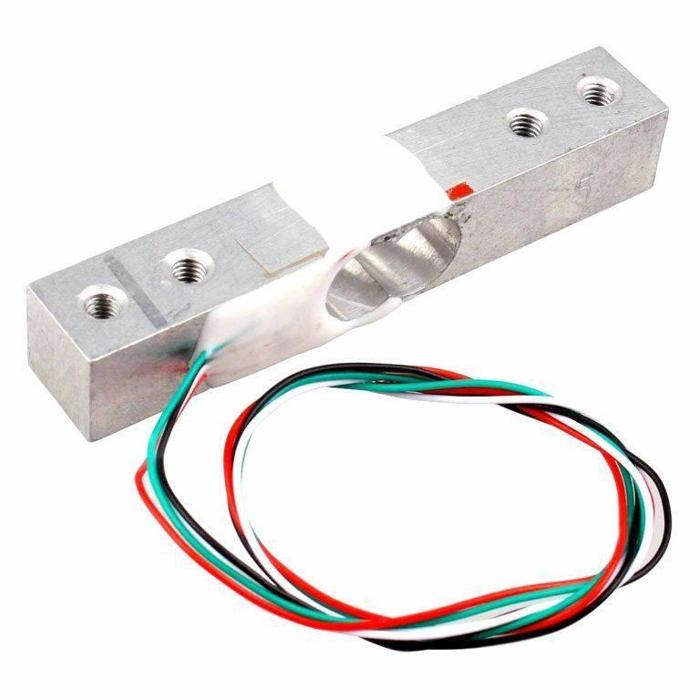
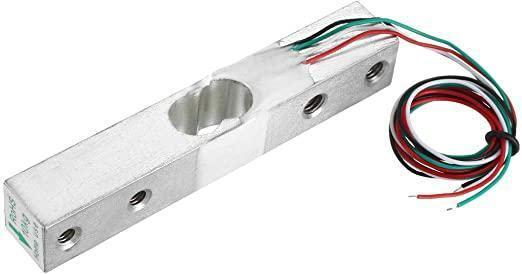
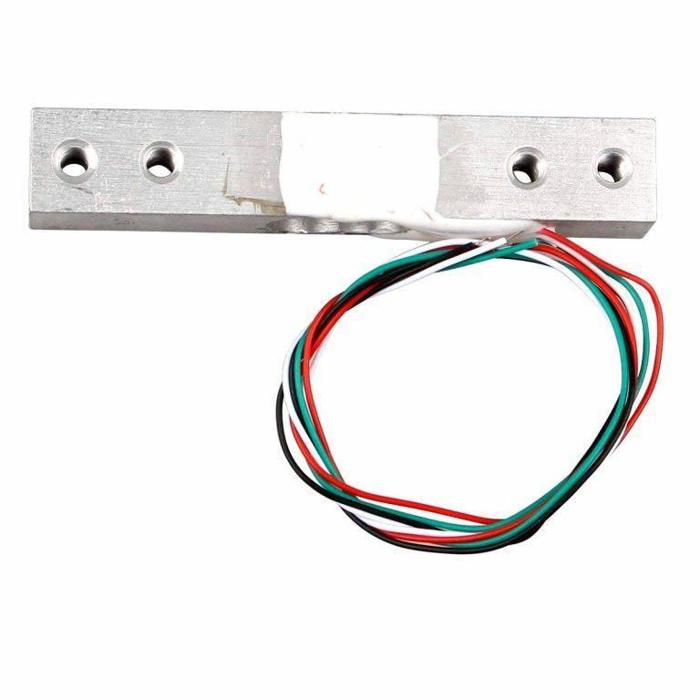
A 10 kg load cell is a load cell that is designed to measure forces or weights up to 10 kg (22 lbs). Each
load cell
can measure the electrical resistance, which changes in response to and is proportional to the strain (e.g., pressure or force) applied to the bar. You can use this gauge to determine how heavy an object is, if the weight of an object changes over time, or if you simply need to detect the presence of an object by measuring strain or load applied to a surface. This straight bar load cell is made of Aluminium alloy and can read a weight capacity of 10KG. It has four lead wires for connecting to the HX711 A/D Pressure Sensor. It is simple to use with a driving voltage of 5-10V and produces output voltage as force changes over it. Installation of the Sensor is also a simple task; it is necessary to fix one end through the screw hole and leave the other end floating in order to indicate the direction of the gravitational force exerted. Special care must be taken not to directly push the white plastic cover part of the sensor in order to avoid damage.
A load cell is used in an electronic weighing machine to measure the load or pressure produced by the load; most load cells use the strain gauge method, which converts the pressure (force) into an electrical signal; these load cells have four strain gauges connected in a Wheatstone bridge formation. When we apply a load, the strain gauge resistance changes, and thus the output voltage from the load cell changes, allowing us to measure the load value.
If you want to use this load cell you need few essential elements like
hx711
,
Arduino
,
jumper wires
,
display module
and
soldering tools
. There are other types of load cell also available , according to your requirement
Applications:
Electronic platform scale
Digital scale
Parcel post scale
Electronic balance
Also check
3 Kg Load Cell
with the model name YZC-133. It is designed for use in electronic scales, price computing scales, electronic platform scales, digital scales, parcel post scales, electronic balances, and various commercial scales that require a single load cell.
₹126,85
Incl. GST (No Hidden Charges)
Backorder Available
₹253,40
Incl. GST (No Hidden Charges)
10Kg Load Cell
10Kg Load Cell A 10 kg load cell is a load cell that is designed to measure forces or weights up to 10 kg (22 lbs). Each load cell can …
As low as
₹126,85
₹126,85
₹253,40
Incl. GST (No Hidden Charges)
Backorder Available
